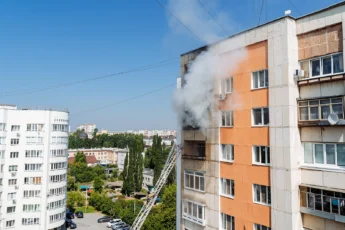
An apartment fire can take everything from you in an instant—your home, your health, your peace of mind, or even someone you love. When the smoke clears, you’re left with questions no one seems ready to answer. At Butler Kahn, we’ve stood with families in the middle of that chaos. We’ve seen how lives get turned upside down not just by the fire, but by the way property owners and insurance companies respond afterward. If you’re dealing with the aftermath of a fire, you don’t have to face it alone. In this piece, Butler Kahn explains important information about apartment fire cases, including how they happen, the legal options available to victims, the possible types of financial compensation that can be received, and how an Atlanta apartment fire lawyer can fight on your behalf to obtain compensation and justice.
Electrical Fires — These typically involve hidden wiring, breaker boxes, or outdated circuits. Electrical fires in residential buildings often happen without warning and can start behind walls, in ceilings, or near old outlets. Power surges or tripped circuits may signal early danger.
Kitchen and Appliance Fires — Fires that begin with stoves, ovens, or other appliances installed by the property owner may start due to faulty wiring, improper installation, or old components. These aren’t always limited to resident misuse.
Heating Equipment Fires — These fires stem from wall-mounted heaters, HVAC systems, radiators, or portable space heaters provided with the unit. Fires often result from overheating parts, poor air circulation, or old systems that haven’t been updated in years.
Smoke Alarm and Detector Failures — When alarms don’t sound, aren’t installed, or aren’t working, fires are much more dangerous. This can delay escape time significantly and allow a small fire to become life-threatening before help arrives.
Common Area Fires — Fires in laundry rooms, stairwells, trash chutes, boiler rooms, and utility closets often start due to malfunctioning equipment, flammable materials, or poor maintenance. These areas can serve as ignition points for fires that spread through multiple units.
Overloaded Electrical Systems (Due to Poor Building Design) — In some buildings, especially older ones or those with illegal modifications, too many devices may be plugged into a limited power infrastructure. That can cause overheating, sparking, and fire.
Fires Caused by Improper Renovations or Repairs — Fires sometimes start due to shoddy construction—like faulty rewiring, ductwork, or improperly vented appliances—that can affect multiple apartments.
Fires From Blocked or Inaccessible Exits — Even if the fire itself isn’t preventable, blocked stairwells, locked exits, or jammed windows can turn a manageable fire into a deadly one. These are physical building conditions that contribute to greater harm.
Candle or Open Flame Fires — If a fire spreads quickly due to highly flammable wall materials, lack of firewalls, or no automatic suppression system, the cause may go beyond the open flame itself.
Fires After Previous Complaints or Warnings Were Ignored — Some fires begin after tenants report strange smells, electrical buzzing, or previous small sparks. If these issues were reported but not addressed, the fire type may still trace back to the earlier unresolved hazard.
Lightning or Surge-Related Fires (In Buildings With No Protection) — While lightning is a natural cause, buildings without surge protection, grounding systems, or fire-resistant materials are more vulnerable. That added risk can contribute to fires spreading or starting in the first place.
Apartment Fire Injuries
Burn Injuries — These can range from first-degree surface burns to third-degree burns that go deep into skin and tissue. Recovery may involve surgeries, skin grafts, and long-term hospital stays. Burn injuries are some of the most painful and life-altering injuries you can face.
Smoke Inhalation — Breathing in smoke can damage your lungs and make it hard to get oxygen. This often causes coughing, shortness of breath, and sometimes long-term breathing problems. In severe cases, it can lead to coma or death.
Carbon Monoxide Poisoning — Many fires release carbon monoxide, a gas you can’t see or smell. It can cause dizziness, confusion, or fainting, and too much exposure can be fatal. Recovery depends on how long you were exposed.
Fall and Crush Injuries — In a panic to escape, you might fall down stairs, trip over objects, or get caught in collapsing structures. These accidents can cause broken bones, head trauma, or spinal injuries.
Psychological Trauma — Many people who survive a fire deal with long-term emotional effects like anxiety, insomnia, or post-traumatic stress. These mental health struggles can be just as serious as physical injuries.
Scarring and Disfigurement — Burns and deep wounds can leave visible marks that change how you look and feel about yourself. These injuries often require cosmetic surgeries and long-term care.
High-Risk Areas in Atlanta for Apartment Fires
Older Buildings With Outdated Systems — Apartments in areas like West End, Edgewood, and East Point often have aging electrical wiring, worn-out heating units, and limited fire protection. These places are more prone to fire hazards, especially when repairs are delayed.
High-Density Housing in Midtown and Downtown — Larger complexes near Georgia State University, Peachtree Center, and the BeltLine attract a high number of tenants. Fires in these areas can spread fast because of how closely units are packed and how many people live under one roof.
Student Housing and Short-Term Rentals — Apartments near Georgia Tech and Emory often house students or short-term renters who may not be familiar with building safety. These units also tend to rely on space heaters or older appliances, which raise the risk of fires.
Low-Income and Subsidized Housing — Units in areas like Mechanicsville or Vine City may suffer from long-term neglect or deferred maintenance. Fires here sometimes result from issues like broken alarms, overloaded circuits, or lack of smoke detectors.
Buildings With Shared Electrical and Laundry Systems — Fires can start in common areas like laundry rooms or maintenance closets, especially in older complexes in Decatur, College Park, and South Fulton. These shared systems can cause fires that affect multiple units quickly.
Who to Sue for an Apartment Fire in Georgia
Landlords and Property Owners — Under Georgia Code § 44-7-13, landlords must keep the unit in good repair. That includes electrical systems, heating equipment, and safety devices like smoke alarms. If basic upkeep by a landlord is ignored and that leads to a fire, this could show landlord negligence.
Property Management Companies — These companies are often hired to take care of day-to-day maintenance and code compliance. When they don’t act on tenant complaints, fail to inspect systems, or skip fire safety checks, they may be held responsible under Georgia negligence law.
Other Tenants — Fires caused by neighbors are more common than many realize. A tenant who leaves cooking unattended, smokes in bed, misuses electrical outlets, or burns candles carelessly can start a fire that spreads beyond their own unit. If that happens, you may have the right to bring a claim directly against them or their renters’ insurance.
Maintenance Contractors — Electricians, HVAC workers, or other vendors hired to do repairs may be liable if their work was faulty. If the fire traces back to poor workmanship, they could be accountable under Georgia’s general negligence rules (Georgia Code § 51-1-2).
Appliance and Product Manufacturers — When a fire starts because of a defect in a stove, heater, or electrical device that was installed in the unit, the manufacturer may be liable under Georgia product liability law (Georgia Code § 51-1-11).
Government Housing Agencies — In some cases, public housing authorities are in charge of upkeep and safety. If required safety measures weren’t followed, and a fire resulted, the agency may have violated state codes.
Role of an Atlanta Apartment Fire Attorney
In an apartment fire, you’re often dealing with more than just one careless act—you’re caught in the middle of overlapping problems: broken fire alarms, unsafe wiring, shared walls, multiple insurance companies, and a landlord who may not return your calls. These cases are complex. An apartment fire lawyer in Atlanta steps in to sort through all of it. They work with fire investigators, gather maintenance records, review code violations, and uncover who failed to do their job. That might include the landlord, a property manager, a contractor, or even another tenant. Fires move fast, but so does legal action when it’s done right.
Your lawyer doesn’t just help you figure out what happened—they build a strategy to get you paid. In personal injury cases, that includes medical bills, lost wages, pain and suffering, and long-term treatment. If someone died in the fire, Georgia law allows families to recover for wrongful death under Georgia Code § 51-4-2, including funeral costs, loss of income, and the full value of the person’s life. You may also be entitled to property damage compensation or bad faith penalties if an insurance company mishandles your claim under Georgia Code § 33-6-34. A good fire lawyer handles every piece: the fire report, the insurance forms, the negotiations, and if necessary, the lawsuit. These cases are different—more intense, more urgent, and more emotional. That’s why you want a lawyer who understands fire cases specifically—not just general personal injury.
Contact Atlanta Apartment Fire Attorney
If you or someone you love has been hurt in an apartment fire, you need someone who knows how to fight for you. At Butler Kahn, our experienced Atlanta apartment fire attorneys take these cases personally. We don’t back down from landlords, management companies, or insurance carriers trying to avoid responsibility. We listen to your story, investigate the truth, and do the hard work it takes to hold the right people accountable. If you’re ready to talk about your options, contact an Atlanta premises liability lawyer at Butler Kahn by calling (678) 737-2499 or contacting us online for a free consultation.
Frequently Asked Questions
Get medical help, take photos, and report everything to emergency services. Save any documents you’re given. The faster you document what happened, the stronger your fire claim will be later.
Yes, if the fire was caused by something they failed to fix or keep safe. Georgia law says landlords must maintain the property under Georgia Code § 44-7-13.
You may have a claim against them personally or through their renters’ insurance. It depends on how the fire started and whether their actions were careless.
You may be able to recover medical bills, lost wages, pain and suffering, and property damage. In fatal cases, Georgia law allows for wrongful death compensation under Georgia Code § 51-4-2.
Georgia Code § 25-2-40 requires working smoke detectors. If yours failed and that made the fire worse, that could be an important part of your case.
In Georgia, you usually have two years to file a personal injury or wrongful death lawsuit. But the sooner you act, the more evidence can be preserved.
It might help with personal property, but not injuries. Also, some policies have limits or exclusions. If the fire wasn’t your fault, you may be entitled to more.
Yes. Insurance adjusters work for their company—not you. A lawyer makes sure you don’t settle for less than what you actually deserve.
Yes. Even if you moved, you can still bring a claim for your injuries or losses as long as it’s within Georgia’s legal time limits.
Fires in shared spaces may involve the landlord, property manager, or contractors. These areas are typically their responsibility, not yours.
My father was in a serious motorcycle accident and unfortunately passed away soon after the accident. Butler Kahn firm in Atlanta was a true blessing
Read More
Samantha S.
Jeb and his team get great results for their clients! The team is hard working, organized, and very thorough. I have referred clients to them and he i
Read More