
Atlanta Personal Injury Attorney / Boating Accident Lawyer
If you or a family member suffered serious injuries in a boating accident near Atlanta, Georgia, you may be entitled to compensation for medical bills, lost wages, and pain and suffering. Butler Kahn represents boating accident victims across Metro Atlanta and helps them pursue claims against negligent boat operators, rental companies, and vessel owners. Boating accidents frequently cause traumatic injuries including drowning, propeller lacerations, traumatic brain injuries, and spinal cord damage. Contact Butler Kahn at (678) 940-1444 for a free consultation with an Atlanta boating accident lawyer.
What’s on this page
What Is a Boating Accident?
A boating accident is any incident on a river, lake, ocean, or other body of water that involves a watercraft and results in injury, death, or property damage. Boating accidents include collisions involving jet skis and personal watercraft, speedboats, pontoon boats, fishing boats, sailboats, canoes, kayaks, and any other type of vessel. Georgia’s waterways—including Lake Lanier, Lake Allatoona, the Chattahoochee River, and coastal areas near Savannah—see hundreds of boating accidents each year.
For example, someone injured after falling off a boat near Lake Lanier has been hurt in a boating accident. The same applies to someone whose rented jet ski collides with another vessel on the Chattahoochee. As long as a watercraft is involved, the incident qualifies as a boating accident. However, your right to recover compensation depends on proving that another party’s negligence caused the accident and your injuries.

Common Types of Boat Accidents in Atlanta
Georgia boating accidents occur for many reasons, and understanding the type of accident can help identify who may be liable. Our Atlanta personal injury lawyers have handled cases involving the following types of boating accidents:
- Impaired operator accidents – Operating any watercraft while impaired by alcohol or drugs violates Georgia law under O.C.G.A. § 52-7-12 and significantly increases the risk of collision. Impaired operators have slower reaction times, impaired judgment, and difficulty maintaining proper speed and distance from other vessels.
- Boat-to-boat collisions – When two vessels strike each other, passengers on both boats may be ejected into the water. Unlike cars, most boats lack seatbelts, making ejection and drowning serious risks in any collision.
- Striking stationary objects – Negligent operators may crash into docks, buoys, rocks, or other fixed objects due to speeding, distraction, or unfamiliarity with the waterway.
- Propeller accidents – Propeller injuries are among the most catastrophic boating injuries, with fatality rates between 15% and 17% and similar rates of major amputations. These accidents often occur during water skiing, tubing, or wakeboarding activities.
- Falls overboard – Passengers may fall into the water due to sudden maneuvers, wakes from other boats, or slippery deck surfaces. Without proper life jackets, drowning becomes a significant risk.
- Distracted operator accidents – Just like distracted driving accidents, distracted boating causes serious crashes when operators focus on phones, passengers, or other distractions instead of navigating safely.
- Poor maintenance accidents – Boats that aren’t properly maintained can experience hull failures, engine problems, or steering malfunctions that lead to accidents.
- Lack of safety equipment – Vessels without adequate life jackets, radios, flares, or other emergency equipment put passengers at greater risk when accidents occur.
How Boating Accident Injuries Occur
Boating accident injuries in Georgia can occur in several ways, and understanding how injuries happen helps establish liability in personal injury claims.
The most common scenario involves boat collisions where one vessel strikes another boat or a fixed object. Because most boats lack safety restraints like seatbelts, passengers are often thrown from the vessel during collisions. Many drowning deaths result from victims being ejected into the water while disoriented or unconscious. Boating collisions frequently cause traumatic brain injuries, spinal cord injuries, and broken bones.
Propeller accidents represent another serious category of boating injuries. These accidents typically occur during tubing, water skiing, or wakeboarding when participants are struck by their own boat’s propeller or by another vessel. The top causes of Georgia boating accidents include operator inattention, excessive speed, and alcohol use—all of which increase the risk of propeller strikes.
What to Do After a Boating Accident in Atlanta
The steps you take immediately after a boating accident can significantly impact your ability to recover compensation. Here’s what to do if you’re involved in a boating accident near Atlanta:
- Get to safety and call for help – Use your phone, emergency radio, or signal flare to alert authorities. The U.S. Coast Guard and local law enforcement respond to boating emergencies on Georgia waterways.
- Seek immediate medical attention – Even if your injuries seem minor, see a doctor right away. Some serious injuries, including internal bleeding and traumatic brain injuries, may not show immediate symptoms.
- Report the accident – Georgia law requires boating accident reports for incidents involving death, injury requiring medical treatment beyond first aid, property damage exceeding $2,000, or complete loss of a vessel. File a report with the Georgia Department of Natural Resources.
- Document everything – Take photos of all vessels involved, visible damage, weather conditions, and your injuries. Get contact information from witnesses and the other boat operator(s).
- Don’t give recorded statements – Insurance adjusters may contact you quickly after an accident. Avoid providing detailed statements until you’ve spoken with a boating accident attorney.
- Contact a lawyer – Boating accident claims involve complex issues of state and federal law, multiple potentially liable parties, and aggressive insurance company tactics. An experienced Georgia personal injury lawyer can help protect your rights from the start.
Who Is Responsible for a Boating Accident?
Multiple parties may share liability for a Georgia boating accident, depending on the circumstances. Identifying all responsible parties is essential to maximizing your compensation.
The boat operator may be liable if they operated the vessel negligently by speeding, operating while impaired, failing to maintain a proper lookout, violating no-wake zones, or otherwise acting carelessly. Georgia law holds boat operators to a duty of reasonable care toward passengers and other people on the water.
The boat owner is often liable even if they weren’t operating the vessel at the time of the accident. Georgia’s owner-consent statute, O.C.G.A. § 51-1-22, provides:
“The owner of a vessel shall be liable for any injury or damage occasioned by the negligent operation of the vessel, whether the negligence consists of a violation of the statutes of this state or of neglecting to observe such ordinary care in such operation as the rules of common law require. The owner shall not be liable, however, unless the vessel is being used with his or her express or implied consent.”
The law presumes consent when the operator is an immediate family member of the owner. This owner-consent rule makes it significantly easier to hold boat owners accountable compared to vehicle accident cases.
Boat rental companies may also be liable for accidents involving their vessels. While rental agreements often include language attempting to limit liability, Georgia law generally does not allow parties to contract around statutory owner liability.
Manufacturers may be liable under product liability law if a defective boat, motor, or component caused or contributed to the accident.

Can I Sue the Boat Rental Company?
Yes, boat rental companies can often be held liable for boating accidents in Georgia. Many boats on Georgia lakes like Lanier, Allatoona, and Oconee are rented from marinas and rental facilities. When accidents involve rental boats, the rental company’s liability becomes an important issue.
Rental companies typically require renters to sign lengthy agreements containing provisions designed to avoid Georgia’s owner-consent statute. Common provisions include language stating the company only consents to “safe and prudent” operation and that consent is revoked if the renter violates safety rules. For example:
- “The rental company consents for the renter to operate the boat in a safe and prudent manner only.”
- “The rental company does not consent for operation in violation of safety rules, and such operation terminates the rental.”

These provisions attempt to contractually revoke consent retroactively when accidents occur. However, Georgia law generally does not permit parties to contract around statutory liability. Despite this, rental companies routinely argue they have no liability, making it essential to work with an experienced boating accident attorney who understands how to overcome these defenses.
Does Georgia or Federal Law Apply to My Boating Accident?
The body of law governing your boating accident case depends on where the accident occurred. This distinction matters because Georgia state law and federal maritime law have different rules regarding liability, damages, and procedures.
Georgia state law applies to accidents on bodies of water that are not “navigable” in the legal sense. Under boating law, “navigable” doesn’t simply mean a boat can travel on the water—it means the waterway is “capable of being used in commerce.” Most inland Georgia lakes fall into this category.
Federal maritime law applies to accidents on navigable waters, including the open ocean, the Intracoastal Waterway, and certain rivers used for commercial navigation.
Based on court precedents, here’s how Georgia waterways typically classify:
Non-navigable (Georgia law applies):
- Lake Lanier
- Lake Allatoona
- Lake Oconee
- Most of Lake Hartwell
- Lake Chatuge
- West Point Lake
- Lake Burton
- Lake Rabun
- Lake Seminole
- Lake Sinclair
- Most of the Chattahoochee River
- Okefenokee Swamp
Navigable (federal maritime law applies):
- Open ocean and Georgia coastal waters
- Intracoastal Waterway
- Savannah River
- Areas around commercial ports
- Parts of the Flint River
Damages Available to Boating Accident Victims in Georgia
Boating accidents often cause substantial injuries requiring extensive medical treatment and resulting in significant financial losses. Georgia law allows accident victims to recover compensation for the following types of damages:
- Medical expenses – Past and future costs for emergency care, hospitalization, surgery, rehabilitation, medication, and ongoing treatment
- Lost wages – Income lost while recovering from your injuries, including salary, bonuses, and benefits
- Reduced earning capacity – If your injuries cause a permanent disability that affects your ability to work, you may recover compensation for diminished future earnings
- Pain and suffering – Compensation for physical pain, discomfort, and the impact of injuries on your daily life
- Emotional distress – Mental anguish, anxiety, depression, and psychological trauma resulting from the accident
- Property damage – Costs to repair or replace your boat and personal property damaged in the accident
- Loss of consortium – A spouse’s claim for the loss of companionship, affection, and other aspects of the marital relationship caused by the victim’s injuries
In cases involving egregious conduct such as drunk boating, victims may also recover punitive damages designed to punish the wrongdoer and deter similar conduct.
How Long Do I Have to File a Boat Accident Lawsuit?
Georgia law establishes strict deadlines for filing personal injury lawsuits, and missing these deadlines typically bars you from recovering any compensation.
General deadline: You generally have two years from the date of the boating accident to file a personal injury lawsuit in Georgia. This is called the statute of limitations.
Loss of consortium claims: A spouse’s loss of consortium claim has a four-year statute of limitations from the date of the injured spouse’s accident.
Wrongful death claims: If a boating accident causes a fatality, the wrongful death lawsuit must generally be filed within two years of the death.
Criminal prosecution exception: If the at-fault party faces criminal charges related to the accident (such as boating under the influence), the statute of limitations may be paused for up to six years under O.C.G.A. § 9-3-99.
Government entity claims: If the negligent party is a government employee acting within the scope of their duties, you may have as little as six months to one year to file a notice of claim before you can sue.
Because these deadlines are strictly enforced, it’s critical to speak with a boating accident lawyer as soon as possible after an accident to ensure your rights are protected.
Why People Choose Butler Kahn for Boating Accident Cases
Butler Kahn is a selective, trial-focused personal injury firm that handles serious accident cases throughout Georgia. We take fewer cases on purpose so we can devote the time and resources each case deserves. Our approach to boating accident cases includes:
- Thorough investigation – We work with accident reconstruction experts, marine safety specialists, and medical professionals to build the strongest possible case.
- Identifying all liable parties – We pursue claims against boat operators, owners, rental companies, and manufacturers to maximize your recovery.
- Trial preparation – We prepare every case as if it’s going to trial. Insurance companies know which lawyers will actually try cases, and that knowledge produces better results.
- No fee unless we win – We handle boating accident cases on a contingency fee basis, meaning you pay no attorney fees unless we recover compensation for you.
Our Georgia boating accident lawyers have recovered millions of dollars for clients injured due to others’ negligence. To learn more about how we can help with your case, contact us for a free consultation.
Frequently Asked Questions About Atlanta Boating Accidents
Who can be held liable for a boating accident in Georgia?
Multiple parties may be liable for a Georgia boating accident, including the boat operator who caused the crash, the boat owner under Georgia’s owner-consent statute, boat rental companies, and manufacturers of defective boats or equipment. Georgia law makes boat owners liable for negligent operation when they’ve consented to the operator’s use of the vessel.
What is Georgia’s owner-consent law for boats?
Georgia’s owner-consent statute (O.C.G.A. § 51-1-22) holds boat owners liable for injuries caused by negligent operation of their vessel as long as the operator had the owner’s express or implied consent. The law presumes consent when the operator is an immediate family member. This statute makes it easier to recover compensation in boating accident cases compared to typical car accident claims.
How long do I have to file a boating accident lawsuit in Georgia?
The general statute of limitations for personal injury claims in Georgia is two years from the date of the accident. However, different deadlines may apply depending on whether you’re pursuing a wrongful death claim, loss of consortium claim, or claim against a government entity. Contact an attorney promptly to ensure you don’t miss any applicable deadlines.
What should I do immediately after a boating accident?
Get to safety and call for help first. Then seek medical attention, report the accident to authorities, document the scene with photos and witness information, and avoid giving recorded statements to insurance companies. Contact a boating accident lawyer before providing detailed statements to insurers.
Can I sue a boat rental company if I was injured in their rental boat?
Yes, boat rental companies can often be held liable for boating accidents under Georgia’s owner-consent statute. While rental agreements often contain provisions attempting to limit liability, Georgia law generally does not allow parties to contract around statutory liability. An experienced attorney can help overcome the defenses rental companies typically raise.
Does Georgia law or federal maritime law apply to my boating accident?
It depends on where the accident occurred. Georgia state law applies to accidents on non-navigable waters like Lake Lanier, Lake Allatoona, and most inland lakes. Federal maritime law applies to accidents on navigable waters including the open ocean, commercial waterways, and the Savannah River. The classification affects what rules govern liability and damages.
What types of compensation can I recover after a boating accident?
Boating accident victims may recover compensation for medical expenses, lost wages, reduced earning capacity, pain and suffering, emotional distress, property damage, and loss of consortium. In cases involving egregious conduct like drunk boating, punitive damages may also be available.
What causes most boating accidents in Georgia?
The leading causes of Georgia boating accidents include operator inattention, excessive speed, operator inexperience, alcohol and drug impairment, weather conditions, and equipment failure. Impaired boating and distracted operation cause many of the most serious accidents on Georgia waterways.
How do propeller accidents happen?
Propeller accidents typically occur during water sports like tubing, water skiing, or wakeboarding when participants are struck by their own boat’s propeller or by another vessel while waiting in the water. These accidents have high fatality and amputation rates, making them among the most catastrophic boating injuries.
What if the boat operator was drinking alcohol?
Operating a boat while impaired by alcohol or drugs violates Georgia law (O.C.G.A. § 52-7-12). If an impaired operator caused your accident, you may have a strong case for compensation. Additionally, drunk boating may support a claim for punitive damages beyond your actual losses.
Do I need a lawyer for a boating accident claim?
While not legally required, having an experienced boating accident lawyer significantly improves your chances of full compensation. Boating cases involve complex issues including determining applicable law (state vs. federal), identifying liable parties, overcoming rental company defenses, and calculating damages. Insurance companies often offer low settlements to unrepresented victims.
What evidence should I gather after a boating accident?
Important evidence includes photos of all vessels involved, damage to boats and property, your injuries, weather and water conditions, and the accident scene. Get contact information for witnesses and the other boat operator(s). Preserve any communications about the accident and keep all medical records and bills.
Can I file a wrongful death lawsuit if a family member died in a boating accident?
Yes, Georgia law allows surviving family members to file wrongful death claims when a boating accident causes a fatality. The spouse typically has the right to bring the claim, or if there’s no spouse, the children may file. Wrongful death claims must generally be filed within two years of the death.
What if I was partly at fault for the boating accident?
Georgia follows a modified comparative negligence rule. You can recover compensation as long as you were less than 50% at fault for the accident. However, your recovery will be reduced by your percentage of fault. For example, if you were 20% at fault and your damages total $100,000, you could recover $80,000.
How much does it cost to hire a boating accident lawyer?
Butler Kahn handles boating accident cases on a contingency fee basis, meaning you pay no upfront costs and no attorney fees unless we recover compensation for you. Our fee is a percentage of the recovery, and we front all case expenses during the litigation.
What lakes and rivers near Atlanta have the most boating accidents?
Lake Lanier is Georgia’s busiest recreational lake and sees the highest number of boating accidents in the Metro Atlanta area. Lake Allatoona and the Chattahoochee River also experience significant boating activity and accidents. All three waterways are generally governed by Georgia state law rather than federal maritime law.
Boating Accident Service Areas Near Atlanta
Butler Kahn represents boating accident victims throughout Metro Atlanta and across Georgia. Our Atlanta office is conveniently located to serve clients injured on Georgia’s most popular waterways, including:
North Georgia Lakes:
- Lake Lanier (Forsyth, Hall, Dawson, Gwinnett Counties)
- Lake Allatoona (Bartow, Cherokee, Cobb Counties)
- Lake Burton (Rabun County)
- Lake Rabun (Rabun County)
Central Georgia Lakes:
- Lake Oconee (Greene, Putnam, Morgan Counties)
- Lake Sinclair (Baldwin, Hancock Counties)
- West Point Lake (Troup, Harris Counties)
Rivers:
- Chattahoochee River
- Flint River
- Savannah River
Metro Atlanta Neighborhoods:
- Buckhead
- Midtown Atlanta
- Brookhaven
- Sandy Springs
- Dunwoody
- Alpharetta
- Roswell
- Marietta
- Smyrna
- Decatur
Metro Atlanta Counties:
- Fulton County
- DeKalb County
- Cobb County
- Gwinnett County
- Cherokee County
- Forsyth County
- Hall County
- Clayton County
- Douglas County
- Paulding County
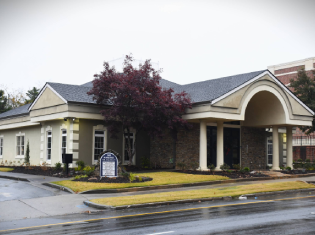
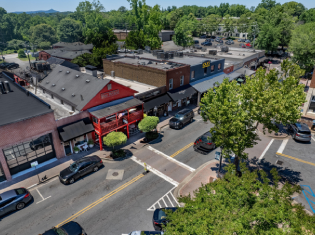
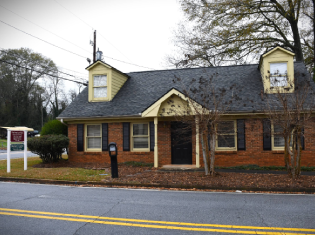
If you were injured in a boating accident anywhere in Georgia, our attorneys can help. We also have offices in Jonesboro, Lawrenceville, and Roswell to serve clients throughout the state.
Contact Our Atlanta Boating Accident Lawyers Today
The aftermath of a Georgia boating accident can be overwhelming, especially when you’re dealing with serious injuries, mounting medical bills, and aggressive insurance companies. Butler Kahn helps boating accident victims and their families pursue full compensation for their losses.
Our Georgia boating accident attorneys will investigate your accident, identify all liable parties, handle negotiations with insurance companies, and fight for the compensation you deserve—in settlement or at trial. Contact Butler Kahn today by calling (678) 940-1444 or contacting us online for a free consultation.
Butler Kahn – Atlanta Personal Injury Lawyers
10 Lenox Pointe
Atlanta, GA 30324
Phone: (678) 940-1444
 Contact Us Now






Lawrenceville, GA 30046
Jonesboro, GA 30236