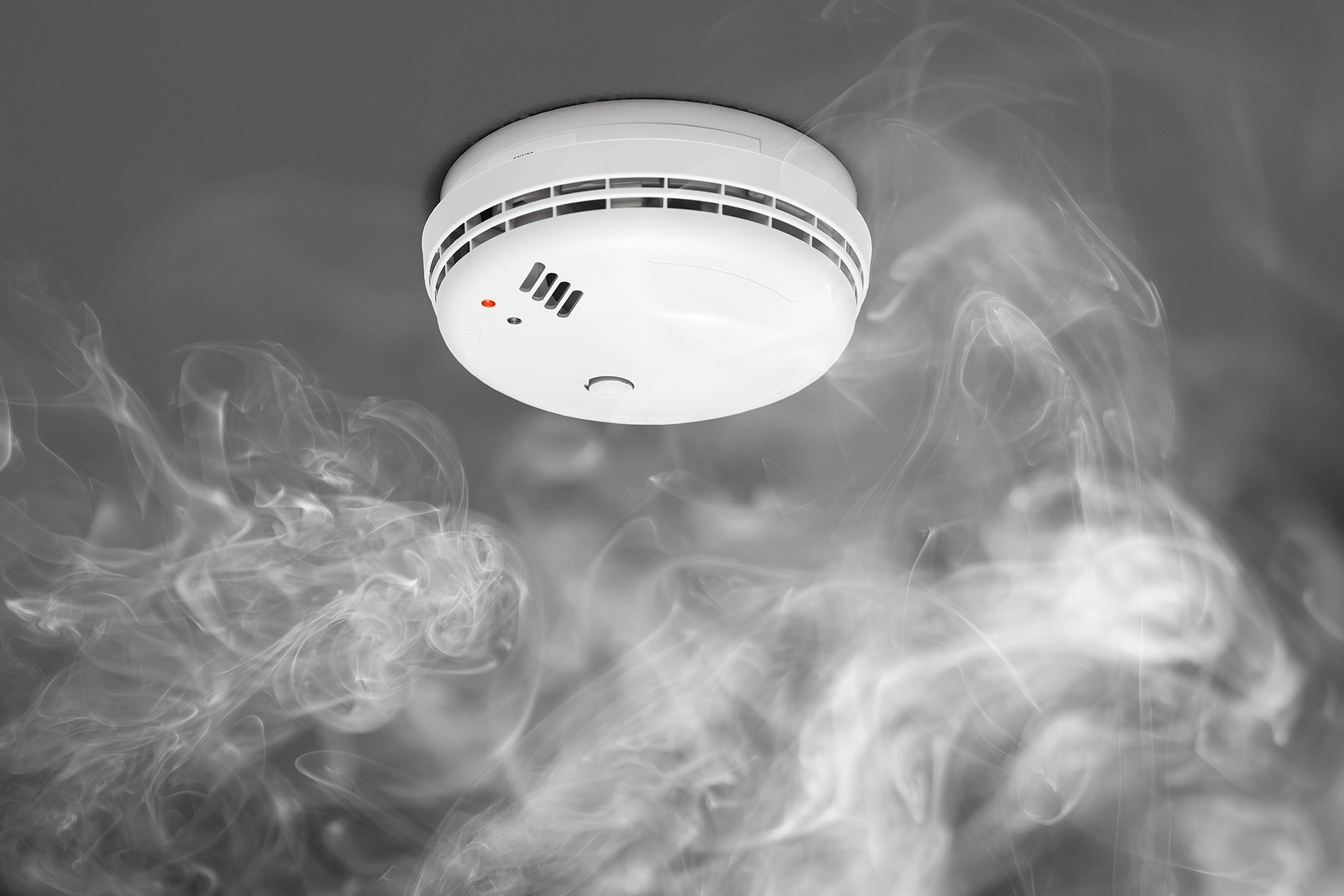
Carbon monoxide poisoning isn’t just another type of personal injury—it’s a preventable tragedy that can leave victims with permanent brain damage, heart injury, or the unbearable loss of a loved one. In Atlanta and across Georgia, these cases often arise from defective heating systems, missing detectors, or negligent property maintenance. When someone’s carelessness exposes you or your family to this invisible toxin, the law gives you the right to demand answers and accountability. At Butler Kahn, our experienced carbon monoxide poisoning lawyers handle these claims with both skill and compassion. We understand how overwhelming the aftermath can be, and we take the time to explain each step while building a case that gets results. In the discussion below, Butler Kahn outlines key information about carbon monoxide poisoning cases — including how they happen, who may be legally responsible, what compensation may be available, and how our attorneys fight for victims to recover justice and financial recovery under Georgia law.
Main Types of Carbon Monoxide Poisoning You Should Know
Acute Carbon Monoxide Poisoning — This kind of exposure happens suddenly when a large amount of carbon monoxide fills the air in a short period of time. It often occurs when a furnace, water heater, or generator malfunctions and leaks gas into your home. You might also face this risk if a car runs in a closed garage or if a vent or chimney becomes blocked. The symptoms come on fast — dizziness, headaches, confusion, and loss of consciousness are common. Without quick treatment, this type of poisoning can lead to permanent brain injury or death. Immediate medical care and fresh air are critical for survival.
Chronic Carbon Monoxide Poisoning — Long-term, low-level exposure to carbon monoxide can slowly make you sick without you realizing it. You may feel constant fatigue, memory problems, or mood changes, which are often mistaken for stress or illness. In Georgia homes and apartment buildings, this often happens when heating systems are old, ventilation is poor, or gas appliances aren’t properly maintained. Because the symptoms build gradually, people sometimes live with dangerous carbon monoxide levels for months before learning the cause.
Occupational Carbon Monoxide Poisoning — Some jobs around Atlanta expose workers to carbon monoxide every day, especially where gas-powered tools or engines are used indoors. Parking garage attendants, restaurant staff using gas appliances, and mechanics are among those most at risk. Employers in Georgia are required to provide safe work environments and adequate ventilation. When safety procedures fail, carbon monoxide can accumulate quickly, causing headaches, nausea, and confusion — sometimes leading to collapse or death if the worker can’t escape in time.
Household and Apartment-Related Carbon Monoxide Poisoning —Many carbon monoxide poisoning cases in Georgia start at home. Leaky furnaces, clogged vents, or broken exhaust systems are often to blame. In rental properties, lack of maintenance or failure to install detectors can make the situation worse. O.C.G.A. Title 8, Chapter 2 requires certain homes to comply with the International Residential Code, which includes carbon monoxide detector standards for renovated or newly built residences. Even if your home isn’t required by law to have one, installing a detector is one of the best ways to protect yourself and your family.
Unique Injuries Caused By Carbon Monoxide Poisoning
Brain and Nerve Damage — Carbon monoxide blocks oxygen from reaching your brain, and even brief exposure can cause permanent harm. You might experience memory loss, confusion, or difficulty concentrating. In more severe cases, victims develop long-term neurological problems such as tremors, poor coordination, or personality changes.
Heart and Circulatory Injuries — The heart depends heavily on oxygen, so carbon monoxide exposure often leads to chest pain, irregular heartbeat, or even heart attacks. People with preexisting heart conditions are especially vulnerable. Damage to the heart muscle can also increase your risk for future cardiac problems.
Cognitive and Emotional Impairment — Many victims deal with depression, anxiety, or mood swings after poisoning. These emotional effects often appear weeks or months after the initial exposure. Doctors believe they result from the way carbon monoxide affects both brain chemistry and oxygen flow.
Organ and Tissue Damage — Extended exposure to carbon monoxide can harm vital organs like the kidneys and liver. Because carbon monoxide limits oxygen throughout your body, tissue damage may continue even after the gas clears from your system.
Delayed Neurological Syndrome — Some people seem to recover from carbon monoxide poisoning only to develop new symptoms days or weeks later. This delayed condition can cause coordination issues, speech difficulties, and vision changes. Medical experts in Georgia hospitals usually recommend follow-up care to monitor for these late effects.
Who Can Be Held Responsible For Carbon Monoxide Poisoning In Georgia
Negligent Landlords and Property Managers — Georgia law clearly places responsibility on landlords to maintain safe and habitable rental properties. Under O.C.G.A. § 44-7-13, a landlord must “keep the premises in repair” and ensure the property is fit for living. If a landlord fails to maintain or repair a furnace, water heater, or ventilation system that later leaks carbon monoxide, they may be found negligent. In addition, Georgia has adopted portions of the International Residential Code (IRC) through O.C.G.A. Title 8, Chapter 2, § § 20 and 25, which require that certain homes—specifically new or substantially renovated one- and two-family dwellings—be equipped with carbon monoxide detectors. When landlords ignore these safety requirements, they violate both their statutory duties and basic tenant safety obligations.
Manufacturers and Sellers of Defective Appliances — Companies that manufacture or sell defective gas furnaces, boilers, or heaters can be held liable under Georgia’s product liability statute, O.C.G.A. § 51-1-11. This law holds manufacturers responsible for harm caused by products that are not “merchantable and reasonably suited to the use intended.” If a design flaw, manufacturing defect, or inadequate warning leads to a carbon monoxide leak, the manufacturer or distributor can be pursued for damages.
Employers and Business Owners — Employers must comply with Georgia’s Occupational Safety and Health standards, which are administered through both federal OSHA regulations and state-level workplace safety laws. Under O.C.G.A. § 34-2-10, employers are required to provide a workplace that does not endanger the life or health of employees. Failing to ventilate enclosed spaces, ignoring detector requirements, or allowing gas-powered equipment to run without exhaust systems can all violate this duty. Injured workers may be entitled to compensation under Georgia’s Workers’ Compensation Act (O.C.G.A. § 34-9-1 et seq.), and if third parties (like contractors or manufacturers) contributed to the hazard, separate personal injury claims may also apply.
Maintenance and Service Contractors — Georgia law recognizes that contractors owe a legal duty to perform their work with ordinary care and in accordance with building codes. Under O.C.G.A. § 51-1-6, “when the law requires a person to perform an act for the benefit of another, and he fails to do so, he is liable in damages.” Contractors who improperly install or fail to maintain fuel-burning appliances or venting systems can therefore be held responsible for resulting carbon monoxide poisoning. Violations of the Georgia State Minimum Standard Codes—which include the IRC and mechanical code requirements for venting fuel-burning appliances—may serve as evidence of negligence per se.
Property Inspectors and Building Officials — Though more complex, liability can sometimes extend to inspectors or municipal authorities if their negligence leads to harm. If an inspector fails to notice clear violations of IRC § R315.1 or R315.3 (which require carbon monoxide alarms outside each sleeping area and on every floor of certain homes), and this omission contributes to a poisoning, an injured party may seek recovery under O.C.G.A. § 51-1-8, which allows civil claims for the breach of a legal duty even when not arising from contract.
How an Atlanta Carbon Monoxide Poisoning Lawyer Helps You
Investigating the Cause — Your lawyer’s first step is finding out exactly how the carbon monoxide poisoning happened. They’ll gather maintenance records, building permits, inspection reports, and appliance data to identify whether a landlord, contractor, or manufacturer failed in their duty of care under Georgia law.
Handling Insurance Claims —Insurance companies often deny or minimize carbon monoxide claims. An Atlanta carbon monoxide poisoning lawyer deals directly with insurers, ensuring that all medical bills, lost wages, and property damage are included in the claim. They also prepare evidence that supports long-term injuries, such as brain or heart damage.
Filing a Lawsuit for Negligence or Wrongful Death — If the responsible party refuses to settle, your attorney can file a lawsuit under Georgia negligence laws (O.C.G.A. § 51-1-6 and § 51-1-8). In fatal cases, families may bring wrongful death actions under O.C.G.A. § 51-4-2 to recover for the loss of life, funeral expenses, and future income.
Recovering Full Compensation — Skilled lawyers pursue every available type of damages, including medical expenses, pain and suffering, emotional distress, and diminished quality of life. In cases of reckless behavior, they may also seek punitive damages to hold wrongdoers accountable.
Why These Cases Are Different — Carbon monoxide poisoning cases require technical evidence, expert testimony, and deep knowledge of building codes. Unlike typical injury claims, they depend on proving invisible dangers—gas levels, exposure times, and code violations. Having a lawyer who understands these complex details can make the difference between partial recovery and full justice.
Atlanta Carbon Monoxide Poisoning Lawyer
If you or a loved one has been harmed by carbon monoxide poisoning, time matters — and so does who you trust to handle your case. The experienced attorneys at Butler Kahn have represented families across Georgia in serious and complex carbon monoxide poisoning claims. We know how devastating these cases can be. Victims are often left with lasting medical problems, unanswered questions, and financial strain caused by someone else’s negligence. Our firm takes a focused, no-nonsense approach: we gather the evidence, uncover who’s responsible, and hold them legally accountable under Georgia law. You deserve a law firm that will stand up to landlords, property managers, manufacturers, or anyone who failed to protect you from this silent and preventable danger. To discuss your legal rights and options, contact Butler Kahn by calling (678) 940-1444 or reaching out online for a free, confidential consultation.
Carbon Monoxide Poisoning FAQ's
After a carbon monoxide poisoning, get medical help immediately, document the scene, and contact an Atlanta carbon monoxide poisoning lawyer to protect your rights and preserve essential evidence.
Common signs of carbon monoxide poisoning include dizziness, confusion, nausea, and headache. If multiple people feel sick simultaneously, leave the area immediately and seek emergency medical care.
Yes. Georgia law requires landlords to maintain safe housing. If faulty equipment or missing detectors caused carbon monoxide poisoning, your attorney can pursue compensation for your injuries and losses.
You generally have two years to file a carbon monoxide poisoning lawsuit in Georgia, but exceptions may apply if symptoms appeared later or the exposure was hidden.
Yes. If a defective furnace or generator caused carbon monoxide poisoning, Georgia’s product liability laws allow victims to hold the manufacturer accountable for negligent design, manufacturing, or inadequate safety warnings.
Workplace carbon monoxide poisoning may qualify for workers’ compensation and personal injury claims. An attorney helps coordinate benefits and holds negligent employers or third parties legally responsible for exposure.
A lawyer investigates maintenance records, CO levels, and detector evidence to prove carbon monoxide poisoning, using expert testimony to show who caused the exposure and resulting injuries.
Act quickly after carbon monoxide poisoning. Evidence disappears fast, and an experienced Atlanta lawyer secures proof, manages insurance claims, and fights for maximum compensation before deadlines expire.
My father was in a serious motorcycle accident and unfortunately passed away soon after the accident. Butler Kahn firm in Atlanta was a true blessing
Read More
Samantha S.
Jeb and his team get great results for their clients! The team is hard working, organized, and very thorough. I have referred clients to them and he i
Read More