
How Expert Witnesses Influence Personal Injury Cases
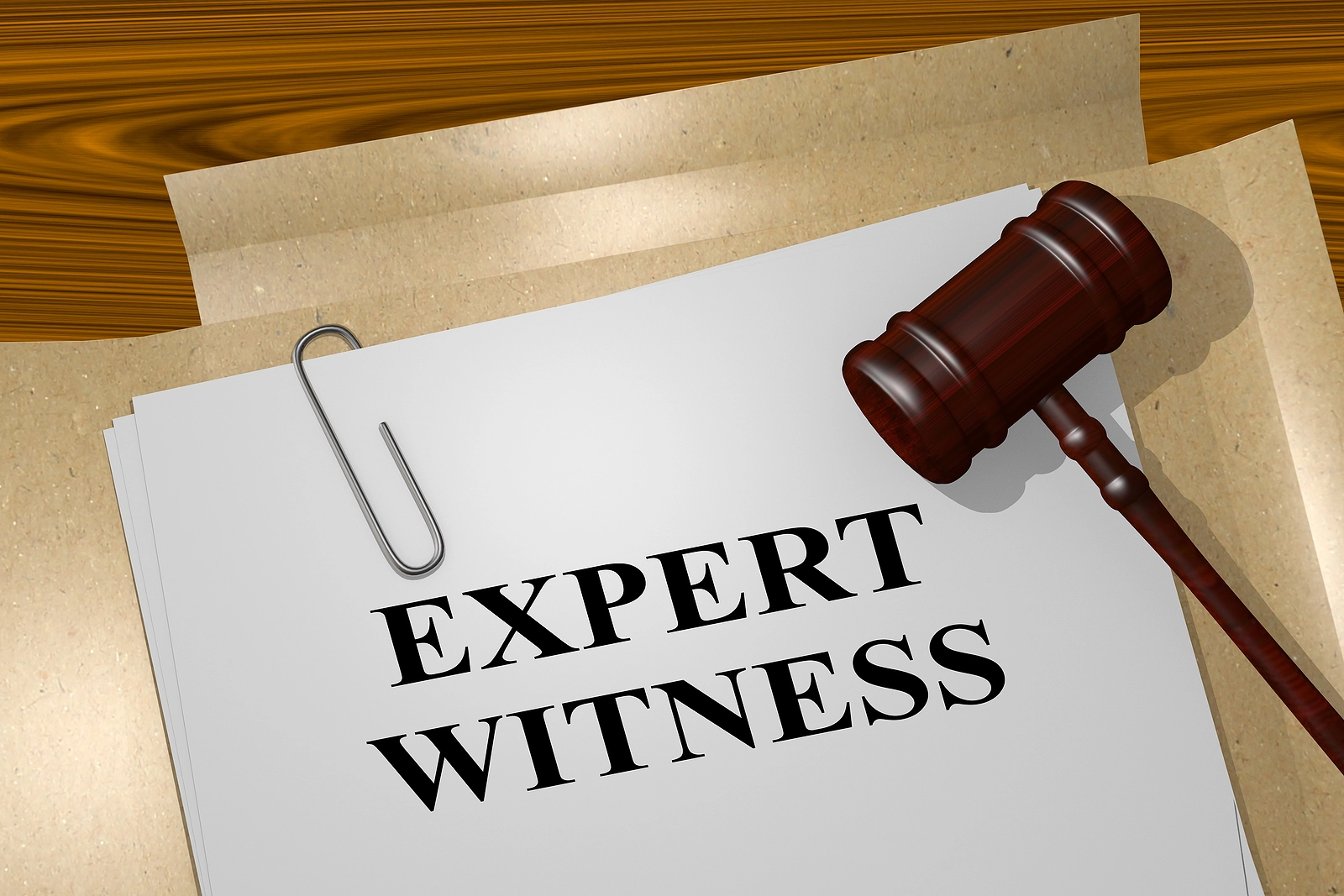
When you suffer an injury because of someone else’s negligence in Atlanta, Georgia, your case will depend not only on the facts but also on how effectively those facts are presented. Personal injury law requires clear proof of liability and damages, and sometimes those issues involve technical, medical, or scientific questions that go beyond ordinary knowledge. That is where expert witnesses play a crucial role. Expert testimony can be the difference between a persuasive case and one that falls short. At Butler Kahn, our attorneys understand how to identify, qualify, and present credible expert witnesses who can clarify the truth and help juries reach fair conclusions.
Understanding the Role of Expert Witnesses
Under Georgia law, an expert witness is someone qualified by knowledge, skill, experience, training, or education to provide opinions that help the court or jury understand evidence or determine facts in dispute. The governing statute, O.C.G.A. § 24-7-702, sets the standard for who may testify as an expert in Georgia courts. An expert’s role is not to decide the case, but to provide reliable, relevant insight that helps fact-finders understand complex issues.
Unlike ordinary witnesses who testify about what they personally observed, expert witnesses offer professional opinions based on specialized knowledge. Their testimony must be grounded in sufficient facts and reliable methods. In Georgia, courts follow the Daubert standard, which requires judges to assess the reliability and relevance of an expert’s opinion before it reaches the jury. This ensures that testimony is based on sound reasoning, not speculation or bias.
How Expert Testimony Strengthens a Personal Injury Case
Expert testimony is often pivotal in proving the essential elements of a personal injury claim—duty, breach, causation, and damages. The expert’s perspective helps translate technical data into practical conclusions that jurors can understand. For example, a qualified medical expert can explain how a car crash caused a spinal injury, while an accident reconstruction expert can demonstrate how the defendant’s actions violated reasonable safety standards.
In many cases, expert evidence is essential to establishing causation—the link between a defendant’s negligence and the plaintiff’s injuries. Without that connection, a personal injury case cannot succeed under Georgia law. The testimony also helps quantify damages, including future medical expenses, loss of earning capacity, and long-term impairment. By presenting expert testimony effectively, your attorney can demonstrate the full scope of harm caused by another party’s negligence.
Common Types of Expert Witnesses in Georgia Personal Injury Cases
Medical experts —these professionals are central to nearly all serious injury claims. They interpret medical records, diagnose the nature and cause of injuries, and describe how those injuries affect your health and future. Under O.C.G.A. § 24-7-702, in medical malpractice cases, an expert must be licensed and have active practice or teaching experience within the relevant field during the preceding three years.
Accident reconstruction experts — these experts use engineering, physics, and data analysis to recreate the sequence of events leading to a collision. Their findings can establish who had the right of way, how fast the vehicles were traveling, or whether a driver failed to take evasive action.
Economic and vocational experts — the professionals assess the financial impact of an injury, including lost wages, future earning capacity, and the cost of ongoing care. Georgia law allows plaintiffs to recover both economic and noneconomic damages, and experts provide the foundation for calculating those losses with reasonable certainty.
Psychological or psychiatric experts — these experts may also testify about emotional distress, post-traumatic stress disorder (PTSD), or other mental health effects following a traumatic injury. Their analysis helps establish the non-economic dimensions of harm that Georgia law recognizes as compensable.
How Georgia Courts Evaluate Expert Testimony
Georgia courts take their gatekeeping role seriously. Under O.C.G.A. § 24-7-702, the trial court must determine whether the expert’s testimony is based on sufficient facts or data, whether it is the product of reliable principles and methods, and whether the witness has reliably applied those principles and methods to the facts of the case.
In practice, this means that an expert’s opinion must rest on accepted scientific or professional standards. A conclusory or speculative opinion will likely be excluded. Attorneys at Butler Kahn conduct thorough vetting of potential experts to ensure their qualifications and methods can withstand cross-examination and judicial scrutiny. This careful preparation protects the integrity of your case and builds credibility before the court.
The Impact of Expert Witnesses on Case Outcomes
In many personal injury cases in Georgia, expert witnesses are not merely supportive—they are indispensable. Their testimony can determine whether the defendant is found liable and how much compensation is awarded. For example, in a trucking collision, an accident reconstructionist might identify violations of the Federal Motor Carrier Safety Regulations that establish negligence. In a premises liability case, a safety engineer might explain how a property owner failed to meet accepted building standards.
Moreover, expert testimony is often critical during settlement negotiations. Insurance companies rely on expert evaluations to assess risk. When your attorney presents strong, well-documented expert opinions, it signals that your claim is supported by objective analysis. That leverage can increase the likelihood of a fair settlement without prolonged litigation.
When Expert Testimony Is Legally Required
Certain Georgia cases require expert testimony as a matter of law. Medical malpractice claims, for instance, must be accompanied by an expert affidavit under O.C.G.A. § 9-11-9.1, confirming that at least one negligent act or omission occurred based on the expert’s professional knowledge. Without this affidavit, the court may dismiss the case.
Even outside malpractice claims, courts often expect expert evidence when technical or specialized issues arise. For example, product liability cases involving defective machinery or pharmaceuticals nearly always depend on engineering or scientific testimony to establish design flaws or manufacturing defects. In other situations—such as slip-and-fall accidents or motor vehicle collisions—expert testimony is not always mandatory, but it can significantly strengthen the argument for liability and damages.
Preparing for Expert Testimony in Your Case
Working effectively with expert witnesses requires experience and preparation. Your attorney must identify the right kind of expert, gather all relevant evidence, and ensure that the expert’s analysis aligns with Georgia’s evidentiary rules. At Butler Kahn, we engage experts early in the process to conduct thorough evaluations, review evidence, and prepare clear, persuasive reports. We also anticipate challenges from defense counsel, who may seek to exclude or discredit your expert’s opinions. A proactive, disciplined approach ensures that your case is presented in the most compelling light possible.
Atlanta Georgia Personal Injury Lawyer
If you were injured in Atlanta or anywhere in Georgia because of someone else’s negligence, understanding the role of expert witnesses is vital to protecting your rights. The attorneys at Butler Kahn have extensive experience litigating complex personal injury cases and working with leading experts across medical, engineering, and economic disciplines. Our firm’s success is built on meticulous preparation and clear presentation of evidence—backed by credible professional testimony.
When your future and financial security are at stake, you deserve a legal team that understands how to use expert evidence to prove the truth and maximize your recovery. To learn more about your rights and options, contact Butler Kahn by calling (678) 940-1444 or contacting us online for a free consultation. We are here to help you pursue the justice and compensation you deserve under Georgia law.

- Airplane Accident
- Auto Accident
- Back Injury
- Bicycle Accident
- Boating Accident
- Brain Injury
- Bus Accident
- Car Accident
- Civil Rights
- Court System
- Crime Victims
- Crosswalk Accident
- Dog Bite
- Elder Abuse
- Firm News
- Georgia
- Insurance
- Jeep Fire
- Lawyers
- Liability
- Medical Malpractice
- Motorcycle Accident
- Negligence
- Nursing Home Abuse
- Pedestrian
- Personal Injury
- Product Liability
- Rape
- Ride Share
- Scholarship
- School Injury
- Sexual Assault
- Slip and fall
- Truck Accident
- Uncategorized
- Work Accident
- Wrongful Death
 Contact Us Now





Lawrenceville, GA 30046


Jonesboro, GA 30236