Georgia Car Damage Manual: How to Handle Your Vehicle Property Damage Claim After an Accident
After a car wreck in Georgia, two separate claims usually come into play:
A property damage claim for damage to the vehicle
A bodily injury claim for personal injuries or wrongful death
At Butler Kahn, we handle serious injury and wrongful death cases—not standalone vehicle damage claims. We built this Georgia Car Damage Manual because thousands of people have called us looking for help with their car after a wreck. Whether you plan to handle property damage yourself or want to understand the process before talking with an adjuster, this guide walks you through every step.
If your vehicle was damaged in a collision in Georgia, you have the right to be compensated for that damage through an insurance claim—even if you were not physically injured. Georgia law allows property damage claims to be handled separately from bodily injury claims under O.C.G.A. § 51-1-32, which means you can settle the damage to your car while any personal injury claim continues on its own track. This guide from Butler Kahn covers every step of the property damage process in Georgia, from what to do at the scene of the wreck through negotiating fair market value for a totaled vehicle, recovering diminished value after repairs, understanding rental car rights, and avoiding the most common mistakes people make when dealing with insurance adjusters.
Table of Contents
How Do Property Damage Claims Work Under Georgia Law?
Property damage claims in Georgia allow you to recover compensation for the damage to your vehicle and related losses after a crash caused by another person’s negligence. Georgia is a fault-based insurance state, meaning the driver who caused the accident—or more precisely, that driver’s liability insurance—is typically responsible for paying your property damage claim. This is different from no-fault states where each driver’s own insurance pays regardless of who was at fault.
An important concept to understand is that your property damage claim is legally separate from any bodily injury claim you may have. Under O.C.G.A. § 51-1-32, you can settle the damage to your vehicle while your injury case is still being treated and negotiated. This separation is actually helpful because it means you can get your car repaired or replaced and get back on the road without waiting months or years for an injury claim to resolve. If you are dealing with both property damage and injuries, our case timeline guide explains what to expect from the broader personal injury process.
The statute of limitations for property damage claims in Georgia is four years from the date of the accident, giving you significantly more time than the two-year deadline that applies to most personal injury claims. That said, filing sooner preserves evidence and avoids unnecessary complications. If you are unsure how fault is determined in your specific accident, gathering the police report, witness statements, and photographic evidence early gives you the strongest foundation for negotiating with the insurance company.
What Should I Do After a Car Accident to Protect My Property Damage Claim?
The steps you take immediately after a collision in Georgia directly affect the strength of your property damage claim. Acting quickly and methodically protects both your vehicle and your legal rights.
Secure the Scene and Get Medical Attention
Your first priority is always safety. Check yourself and others for injuries and call 911 if anyone is hurt. Even if the accident seems minor, having paramedics evaluate you at the scene can document injuries that might not feel serious yet—conditions like whiplash or mild traumatic brain injuries often have delayed symptoms. If it is safe to do so, move your vehicle out of active traffic lanes. Exchange names, phone numbers, and insurance information with the other driver. For more detailed guidance, see our full what to do after a car accident guide.
Get a Police Report
Always request that law enforcement respond to the scene and create a Georgia Motor Vehicle Accident Report. This report documents which drivers were involved, their insurance details, witness information, the officer’s observations about the scene, and often an initial determination of fault. In some cases, the at-fault driver may receive a citation, which strengthens your claim significantly. You can learn how to get your Georgia police accident report online through the law enforcement agency that investigated the crash—reports typically become available within a few days to two weeks. For help interpreting the report once you have it, see our guide on how to read a Georgia crash report.
Take Photos and Preserve Evidence
Document everything you can at the scene. Use your phone to photograph vehicle damage from multiple angles, the overall accident scene including traffic signals and road markings, skid marks, debris, road conditions, weather conditions, and all license plates. If there are items of personal property inside your car that were damaged—laptops, car seats, glasses—photograph those as well before removing them from the vehicle. These photos become critical evidence when the insurance adjuster evaluates your claim.
Report the Claim to the At-Fault Driver’s Insurance
Contact the at-fault driver’s insurance company as soon as you have the police report or the other driver’s insurance information. The insurer will assign a property damage adjuster to your claim. This adjuster is a different person from any bodily injury adjuster who may handle your car accident injury claim. The property damage adjuster will schedule an inspection of your vehicle to estimate the cost of repairs or determine whether it qualifies as a total loss.
How Does the Insurance Claims Process Work in Georgia?
Reporting the Claim and Adjuster Assignment
Once you report the claim, the at-fault driver’s insurance company assigns a property damage adjuster. This adjuster’s job is to inspect your vehicle, estimate repair costs, and ultimately decide how much the insurance company will pay. Keep in mind that the adjuster works for the insurance company—not for you. Their goal is to resolve claims quickly and for as little money as possible. Understanding whose insurance pays in different accident scenarios helps you know which company to contact first.
Vehicle Inspection and Repair Estimates
The adjuster will either inspect your vehicle in person, request that you bring it to a designated location, or arrange for a third-party appraiser. After the inspection, you will receive a written estimate showing what the insurance company believes the repairs should cost. You have the right to dispute this estimate. If you believe the damage is more extensive than the adjuster’s assessment indicates, you can obtain your own independent repair estimate from a body shop of your choosing and present it to the insurance company.
Georgia Claim Deadlines and Fair Handling
Georgia does not have a specific statute requiring insurers to pay property damage claims within a defined number of days. However, the Georgia Insurance Code requires insurers to handle claims promptly, fairly, and in good faith. If an insurance company unreasonably delays or refuses to pay a valid claim, it could face consequences under Georgia’s bad faith statutes. Most reputable insurance companies resolve straightforward property damage claims within two to four weeks, though disputed liability or complex situations can take longer. For a broader understanding of liability insurance in Georgia and how coverage limits affect your claim, see our insurance resources.
Dealing with Recorded Statements
Insurance adjusters sometimes request a recorded statement before processing your claim. They may even suggest that you are required to provide one. In most cases, you are under no legal obligation to give a recorded statement to the at-fault driver’s insurance company. The exception is when you are making a claim under your own uninsured or underinsured motorist coverage, in which case your policy may include a cooperation clause. Even then, you can consult with an attorney before making any statement. If the insurer eventually requests a deposition or formal examination, the stakes become even higher. Learn more about common mistakes to avoid after a car accident, including premature recorded statements.
What Happens with Vehicle Repairs, Rental Cars, and Total Loss Claims?
Getting Your Car Repaired
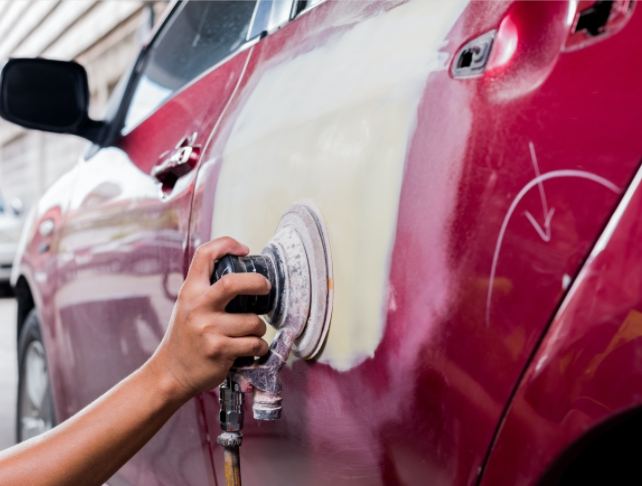
If your vehicle can be repaired, the at-fault driver’s insurance company is responsible for covering the cost of returning it to its pre-accident condition. You have the right to choose your own repair shop, although insurance companies often recommend preferred facilities. If you choose a different shop, get approval from the insurer on the repair estimate before authorizing the work to avoid disputes about cost. Make sure the adjuster has inspected the vehicle before repairs begin—otherwise, the insurance company may argue that some of the damage was pre-existing.
Before picking up your repaired vehicle, review the itemized repair bill against the original estimate and take the car for a test drive. If anything feels wrong—pulling, vibrations, warning lights, alignment issues—insist that the repair shop address those problems before you accept the car back. If you financed your vehicle, check with your lender about any requirements regarding authorized repair facilities. Accidents caused by distracted driving or rear-end collisions frequently cause frame and structural damage that may not be immediately visible, so a thorough post-repair inspection is especially important.
Rental Car Rights in Georgia
While your vehicle is being repaired, you are entitled to a rental car at the at-fault driver’s insurance company’s expense. Ideally, the insurance company arranges the rental directly, but some smaller insurers only reimburse you after the fact. If that happens, get the rental rate pre-approved and rent a vehicle comparable to yours—an economy sedan for an economy sedan, a truck for a truck. If the at-fault driver’s insurer delays authorization, you can use rental car coverage under your own auto insurance policy to bridge the gap and seek reimbursement later.
There is no fixed time limit on how long the at-fault insurer must pay for your rental during repairs. You are entitled to a rental for the entire reasonable repair period. However, once the insurance company makes a total loss offer, you may be expected to return the rental within a reasonable time even if you have not yet accepted the offer.
What Happens When Your Car Is Totaled?
A vehicle is declared a total loss when the cost to repair it meets or exceeds approximately 75 percent of its fair market value before the accident. When this happens, the insurance company is required to pay you the pre-accident fair market value of the vehicle rather than the cost of repairs. You cannot force the insurer to repair a totaled car.
Determining fair market value is where negotiations get contentious. Use tools like Kelley Blue Book, CARFAX, Edmunds, and AutoTrader to research what comparable vehicles—same year, make, model, mileage, condition, and options—are selling for in your area. If you maintained detailed service records, those demonstrate that your vehicle was in better-than-average condition. Present this documentation to the adjuster as evidence that the initial offer undervalues your car. Remember that the first offer is almost never the best offer. Common accident scenarios involving hit-and-run drivers or drunk driving crashes can further complicate the total loss process because fault may be clear but the at-fault driver may lack sufficient coverage.
GAP Insurance and Financing
If you owe more on your auto loan than the vehicle’s fair market value, the property damage settlement may not cover your remaining loan balance. This is called being “upside down” on your loan. GAP (Guaranteed Asset Protection) insurance covers the difference between what you owe and what the insurance company pays. Check your original purchase or lease agreement and your auto insurance policy to see if you have GAP coverage. If you do not currently have it, consider adding it the next time you finance or lease a vehicle.
What Is Diminished Value, and Can I Recover It in Georgia?
Even after a professional repair, a car that has been in a wreck is typically worth less than an identical car that was never damaged. This loss in resale value is called “diminished value” or “diminution in value,” and Georgia law recognizes your right to recover it from the at-fault driver’s insurance. Diminished value applies to repairable vehicles—not total losses, since you receive fair market value for a totaled car. To support a diminished value claim, document the pre-accident value of your vehicle, the nature and extent of the repairs, and the difference in value using market comparisons or a professional appraisal. You can see examples of how these claims have been resolved on our case results page.
Personal Property Damaged in the Crash
Your property damage claim is not limited to the vehicle itself. Items inside your car at the time of the wreck—electronics, eyeglasses, clothing, tools, sporting equipment—can also be claimed. Photograph damaged items before removing them from the car and gather purchase receipts or online price comparisons to document their value. If a pet was injured in the crash, veterinary bills and related expenses are recoverable, though Georgia law unfortunately treats animals as property and limits recovery to fair market value and treatment costs. Damage to child car seats is another commonly overlooked component: most manufacturers recommend replacing any car seat involved in a crash, and the at-fault driver’s insurance should cover the replacement cost.
The National Highway Traffic Safety Administration (NHTSA) recommends replacing car seats after a moderate or severe crash. Most child car seat manufacturers go further and recommend replacement after any collision. Always follow the manufacturer’s instructions, and dispose of the old seat in a way that prevents anyone else from reusing a potentially compromised restraint. If the insurance company pushes back, show them the manufacturer’s instruction manual—most are available online. Sometimes the forces involved in T-bone collisions or high-speed common accident types may not be immediately visible but can compromise a seat’s structural integrity.
Should I Handle My Property Damage Claim Myself or Hire a Lawyer?
If the only issue is damage to your vehicle and there are no injuries, many people handle their own property damage claims successfully. The insurance process for straightforward vehicle damage—where fault is clear, the damage is well-documented, and the insurer is cooperating—is manageable without legal help. This guide is designed to give you the knowledge you need to do exactly that.
However, there are situations where legal help makes a significant difference. Consider consulting a Georgia car accident lawyer if the insurance company disputes liability or undervalues your vehicle, if you are dealing with a diminished value claim that the insurer refuses to acknowledge, if the at-fault driver was uninsured or underinsured, if the accident involved a commercial truck or multiple defendants, or if the insurance company pressures you to sign a general release that could waive your right to pursue an injury claim. If the crash involved a defective vehicle component such as faulty tires or a vehicle defect, a product liability claim may also be available. At Butler Kahn, we focus on serious personal injury and wrongful death cases, not standalone vehicle damage claims. But if you were also hurt in the accident, we are here to help with the full scope of your case.
What Are the Most Common Mistakes People Make with Property Damage Claims?
Avoiding these mistakes can save you thousands of dollars and prevent you from losing rights you did not know you had.
Giving a recorded statement without preparation. The at-fault driver’s insurer may act like a recorded statement is mandatory. In most situations, it is not. Anything you say can be used to reduce or deny your claim. If you are also pursuing an injury claim, an offhand comment during a property damage call can undermine the entire case.
Accepting the first settlement offer. The initial offer is almost always lower than what your claim is worth. Do your own research on fair market value, get independent repair estimates, and negotiate. The insurer expects you to counter.
Signing a “general release” instead of a property damage release. This is one of the most dangerous mistakes. A property damage release covers only the vehicle—a general release can permanently waive your right to pursue an injury claim. Read every word of the release before signing. If it says “General Release” rather than “Property Damage Release,” do not sign it without consulting an attorney. Learn more about the types of damages you could be waiving.
Repairing the vehicle before the adjuster inspects it. If you get repairs done before the insurance company photographs and evaluates the damage, the insurer may claim some damage was pre-existing and reduce your payout.
Failing to document personal property damage. Items inside your car are part of the claim, but you need evidence. Photograph everything and save receipts.
Overlooking diminished value. Many people do not realize they can recover the drop in resale value even after quality repairs. This is money left on the table if you do not pursue it.
Not understanding who may be liable. In some cases, the at-fault driver may not be the only responsible party. Under Georgia’s family purpose doctrine and negligent entrustment laws, the owner of the vehicle can sometimes be held liable even if they were not driving. If a driver was working at the time of the crash, the employer may share responsibility as well.
What Georgia Laws and Statutes Apply to Property Damage Claims?
Several Georgia statutes directly affect your property damage claim. Understanding them gives you leverage in negotiations with insurance companies.
O.C.G.A. § 51-1-32 — Separate Property Damage Claims. This statute allows property damage claims to be resolved independently from bodily injury claims, so you do not have to wait for your injury case to settle before getting your car fixed or replaced.
O.C.G.A. § 9-3-30 — Four-Year Statute of Limitations. You generally have four years from the date of the accident to file a property damage lawsuit in Georgia, compared to two years for personal injury. However, waiting too long can make evidence harder to obtain and weaken your negotiating position.
O.C.G.A. § 33-34-4 — Georgia Minimum Insurance Requirements. Georgia requires every driver to carry at least $25,000 in property damage liability coverage. If your vehicle damage exceeds the at-fault driver’s policy limits, you may need to pursue the balance through your own collision coverage or directly against the driver. Our Georgia driving laws page covers additional requirements that may affect your claim.
O.C.G.A. § 51-12-11 — Diminished Value. Georgia courts have recognized that vehicle owners can recover diminution in value when the at-fault driver’s negligence reduces the market value of the vehicle, even after repairs.
O.C.G.A. § 51-12-5.1 — Punitive Damages. In cases involving particularly reckless conduct—such as drunk driving or extreme speeding—Georgia law allows injured parties to seek punitive damages in addition to compensatory damages. While punitive damages more commonly apply to injury claims, they can also arise in property damage cases involving egregious negligence.
Georgia’s Modified Comparative Fault Rule. Under Georgia’s comparative negligence framework, your property damage recovery can be reduced by your percentage of fault—but only if you are found to be less than 50 percent at fault. If you are 50 percent or more at fault, you cannot recover anything. Understanding how fault is determined helps you anticipate arguments the insurance company may raise to reduce your payout.
O.C.G.A. § 40-6-241 — Hands-Free Georgia Act. Georgia’s hands-free law prohibits drivers from holding a phone while operating a vehicle. A violation of this law at the time of the collision can serve as strong evidence of negligence in both property damage and personal injury claims.
Helpful Resources and Related Guides
Butler Kahn provides a comprehensive library of free resources to help people navigate the aftermath of Georgia car accidents. These guides complement the property damage information on this page:
Butler Kahn Case Results — Examples of verdicts and settlements in Georgia personal injury and wrongful death cases
Video FAQs — Watch Butler Kahn attorneys answer common questions about Georgia accident and injury claims
Frequently Asked Questions About Georgia Property Damage Claims
Can I settle my property damage claim separately from my injury claim in Georgia?
Yes. Georgia law (O.C.G.A. § 51-1-32) specifically allows property damage and bodily injury claims to be resolved independently. You can settle the damage to your car, get it repaired or replaced, and continue pursuing your personal injury claim on a separate track.
How long do I have to file a property damage claim in Georgia?
The statute of limitations for property damage in Georgia is four years from the date of the accident. While that provides more time than the two-year deadline for personal injury lawsuits, filing sooner helps preserve evidence and strengthens your position in negotiations.
What if the at-fault driver does not have insurance?
If the at-fault driver is uninsured, you may be able to file a claim under your own collision coverage or uninsured motorist coverage. You also have the option of suing the at-fault driver directly, though collecting a judgment from an uninsured individual can be difficult.
Do I have to use the insurance company’s preferred repair shop?
No. You have the right to choose your own repair shop in Georgia. However, if you choose a shop that charges more than what the insurer considers reasonable, you may need to negotiate or get prior approval to avoid paying the difference out of pocket.
What is diminished value, and how do I claim it?
Diminished value is the difference between what your car was worth before the accident and what it is worth after repairs. Even with quality repairs, a car with accident history typically sells for less. Georgia recognizes your right to recover this loss from the at-fault driver’s insurer. You can support the claim with market comparisons, vehicle history reports, and professional appraisals.
How do I know if my car is totaled?
An insurance company typically declares a vehicle a total loss when the cost of repairs reaches approximately 75 percent of the car’s pre-accident fair market value. If your car is totaled, the insurer must pay you the fair market value rather than repair costs.
Am I entitled to a rental car while my vehicle is being repaired?
Yes. The at-fault driver’s insurance is responsible for providing a rental car that is comparable to your vehicle for the entire reasonable repair period. If you have rental car coverage on your own policy, you can use that as a temporary solution while waiting for the at-fault insurer to authorize a rental.
Should I give a recorded statement to the insurance company?
In most cases, you are not legally required to give a recorded statement to the at-fault driver’s insurance company. The exception is when you are making a claim under your own UM/UIM coverage, in which case your policy may require cooperation. Even then, you can consult with a Georgia car accident attorney before making any statement.
What personal property can I include in my claim?
Anything that was inside your vehicle and was damaged in the crash—including electronics, glasses, clothing, tools, sporting goods, and child car seats—can be included in your property damage claim. Document these items with photographs and receipts.
What if the insurance company’s offer seems too low?
You do not have to accept the first offer. Gather documentation showing the fair market value of your vehicle using Kelley Blue Book, CARFAX, Edmunds, and local sale listings for comparable vehicles. Present this evidence to the adjuster and make a counteroffer. If negotiations stall, you may want to consult with an attorney.
Can I get my deductible back?
If you file through your own collision coverage and pay a deductible, your insurance company will pursue the at-fault driver’s insurer for reimbursement through a process called subrogation. Once your insurer recovers the money, your deductible should be refunded to you.
What is the difference between a property damage release and a general release?
A property damage release only covers claims related to vehicle damage. A general release can waive all claims, including any right to pursue compensation for injuries. Never sign a general release unless you fully understand what rights you are giving up, and consult an attorney if you have any doubt.
Does Georgia’s comparative fault rule affect property damage claims?
Yes. Under Georgia’s modified comparative negligence rule, your property damage recovery is reduced by your percentage of fault. If you are found to be 50 percent or more at fault, you cannot recover anything. Understanding how fault is determined after a Georgia accident helps you prepare for this argument from the insurer.
What if a truck or commercial vehicle caused the damage?
Accidents involving commercial trucks often involve higher property damage amounts, different insurance policies with higher coverage limits, and potentially multiple liable parties including the driver, the trucking company, and the vehicle or cargo owner. A truck accident investigation may also reveal maintenance failures or federal safety violations that strengthen your claim. These claims are typically more complex than a standard car-on-car collision.
What if an Uber, Lyft, or other rideshare vehicle was involved?
Property damage claims involving rideshare vehicles can be more complicated because multiple insurance policies may apply depending on whether the driver was logged into the app and carrying a passenger at the time of the crash. Uber and Lyft carry commercial liability insurance that provides higher coverage limits when the driver is actively transporting a rider, but disputes over which policy applies can delay your claim.
Can the owner of the vehicle be liable even if someone else was driving?
In some cases, yes. Under Georgia’s family purpose doctrine, a vehicle owner may be liable for damages caused by a family member driving the car for a family purpose. Separately, if the owner knowingly lent the vehicle to an incompetent or unlicensed driver, a claim for negligent entrustment may also apply. These doctrines can open additional insurance policies or personal assets to cover your property damage.
Get Help From Butler Kahn
At Butler Kahn, we focus on serious personal injury and wrongful death cases—not standalone property damage claims. We built this Georgia Car Damage Manual as a free resource because we know how frustrating the property damage process can be, and we want to help people navigate it even when our firm is not the right fit for their case.
My father was in a serious motorcycle accident and unfortunately passed away soon after the accident. Butler Kahn firm in Atlanta was a true blessing
Read More
Samantha S.
Jeb and his team get great results for their clients! The team is hard working, organized, and very thorough. I have referred clients to them and he i
Read More