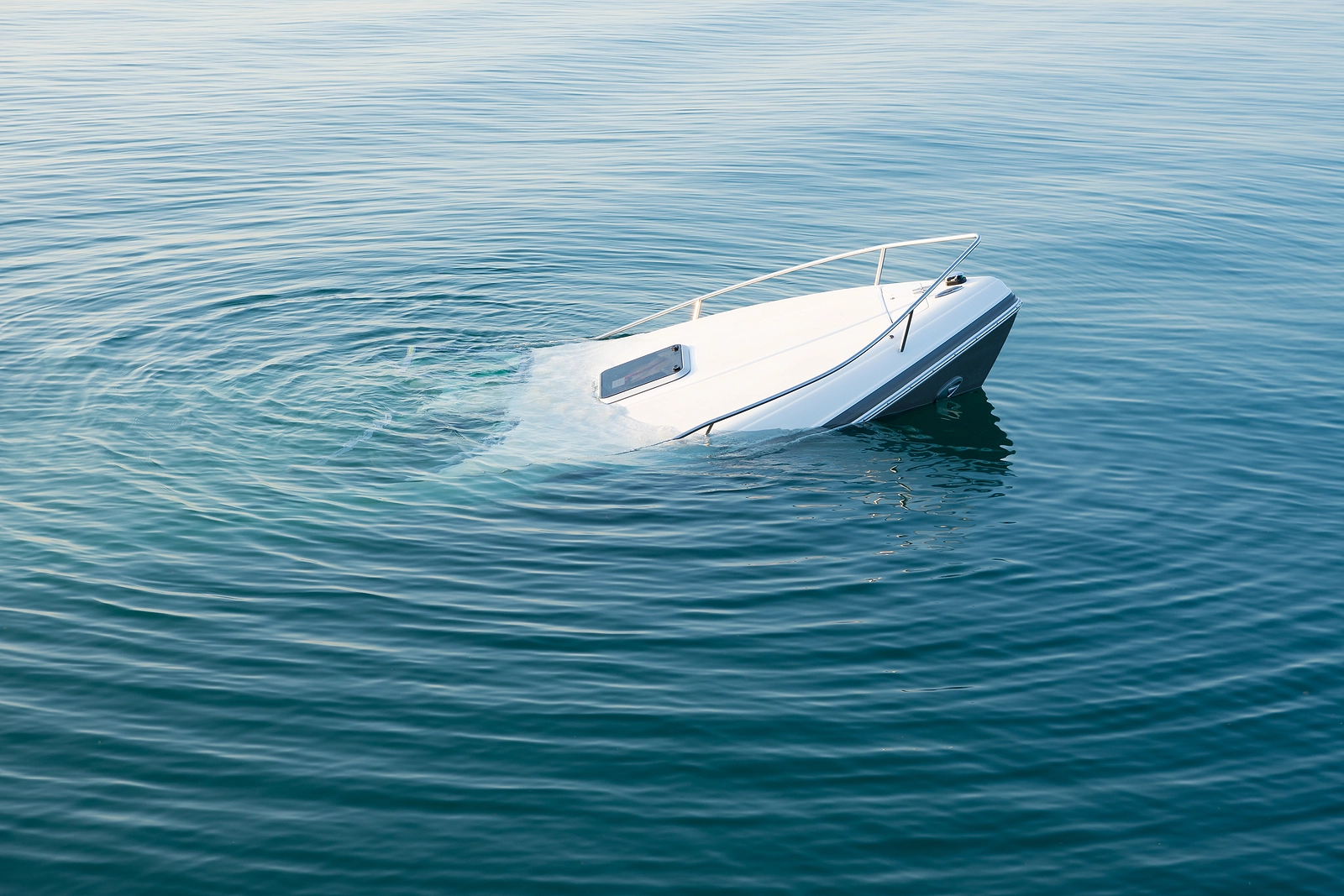
Boating is part of life in Georgia, especially around Jonesboro—until someone’s carelessness changes everything. One moment you’re enjoying the water, and the next you’re dealing with serious injuries, medical bills, and uncertainty about what comes next. Unlike car crashes, boat accidents often involve complicated questions about waterway rules, equipment maintenance, and the responsibilities of boat owners or rental companies. The experienced attorneys at Butler Kahn understand these challenges and know how to uncover what really caused a crash on Lake Spivey, the Flint River, or any other Georgia waterway. They know the tactics insurers use to limit payouts and how to stand up for victims whose lives have been disrupted by another person’s negligence. In the sections below, Butler Kahn explains key information about boat accident cases in Georgia—including how these accidents happen, who may be at fault, what your legal rights are, what types of compensation may be available, and how a dedicated Jonesboro boat accident lawyer can protect you and fight for accountability and justice.
Major Types of Boat Accidents You Should Know About
Collisions Between Two Boats — When two vessels crash into each other, it often happens because someone isn’t paying attention, misjudges distance, or moves too fast for the water conditions. These accidents can throw passengers overboard, cause head or spine injuries, or badly damage the boats. Alcohol use, inexperience, and distraction are common factors that make these crashes more likely.
Collisions with Fixed Objects — Boats sometimes strike things that don’t move, such as docks, bridge pilings, or submerged logs. These collisions can occur in low visibility, at night, or when the operator isn’t familiar with the area. Even at slow speeds, an impact with a solid object can cause serious injuries and major damage to the hull.
Grounding Accidents — A grounding happens when a boat hits the bottom of a lake, river, or sandbar. It can jolt everyone on board, damage the boat’s structure, or even cause it to take on water. Around Jonesboro, groundings often occur in shallow areas of Lake Spivey and nearby stretches of the Flint River, where changing water levels and hidden obstacles are common.
Passenger Overboard Incidents — People can easily fall into the water when a boat turns sharply, hits a wake, or is handled roughly. Once overboard, a person faces risks like drowning, cold-water shock, or injury from the propeller. These incidents happen more often when passengers move around or sit on the edge of the boat.
Fires and Explosions on Boats — Fires on boats often start from fuel leaks, electrical problems, or engine issues. Gasoline vapors trapped in enclosed spaces can ignite and spread quickly. Because boats are small and surrounded by water, escaping a fire can be difficult, and burns or smoke inhalation injuries are common.
Accidents Involving Personal Watercraft (Jet Skis) — Jet skis and other small watercraft are fast and easy to maneuver, which can make them fun but also risky. Many crashes happen when operators misjudge distance, cut too close to another boat, or lose control at high speeds. Crowded areas near marinas and swimming zones often see the most jet ski-related accidents.
Accidents Caused by Equipment Failure — A sudden mechanical issue—like engine failure, steering loss, or a broken throttle—can cause a boat to crash or drift into danger. Poor maintenance, wear and tear, or a defective part can all lead to equipment failure.
Capsizing Accidents — When a boat flips over, it can trap people underneath or throw them into the water without warning. Overloading, bad weather, or uneven weight distribution are common causes. Smaller boats are more likely to capsize, especially when passengers move suddenly or when waves hit from the side.
Common Injuries You May Suffer in a Boat Accident
Head and Brain Injuries — A sudden impact during a crash or fall can cause a concussion or more serious brain injury. You might feel dizzy, disoriented, or lose consciousness for a short time. Even mild symptoms should be checked by a doctor right away.
Spinal Cord Injuries — When your back or neck is twisted or hit hard, the spinal cord can be damaged. This can lead to pain, numbness, or in severe cases, paralysis. Recovery is often long and requires medical care and physical therapy.
Propeller and Laceration Injuries — Coming into contact with a propeller or sharp debris can cause deep cuts or even loss of a limb. These injuries can bleed heavily and often need emergency treatment or surgery.
Burns and Explosion Injuries — Fires or fuel explosions on a boat can leave serious burns on the skin or cause breathing problems from smoke inhalation. These injuries may require surgery or long-term care.
Hypothermia and Drowning — Falling into cold water can cause your body temperature to drop quickly, leading to confusion, loss of coordination, or drowning if you can’t stay afloat.
Where Boat Accidents Happen Most Often in Jonesboro
Lake Spivey — This popular private lake in Clayton County sees steady boat traffic, especially during weekends and holidays. With a mix of speedboats, jet skis, and pontoons sharing the same space, the water can become crowded fast. Sharp turns, wakes from larger boats, and limited visibility near coves make this lake a common spot for boating accidents.
Flint River — The nearby Flint River attracts many small craft operators and fishing boats. The current, submerged tree limbs, and narrow passages can make navigation tricky. Sudden changes in water depth or unexpected debris often lead to grounding or collision incidents.
Clayton County Water Recreation Areas — Local parks and recreation zones around Jonesboro bring in seasonal boaters, including renters who may have little experience. Areas where people swim, fish, or launch boats can easily become congested, raising the chance of mishaps during busy summer months.
Marinas and Docks — Accidents frequently occur when boats are docking or leaving marinas. Tight spaces, slick surfaces, and engine mishandling can lead to collisions with other boats or fixed objects.
Smaller Lakes and Ponds — Even smaller bodies of water near Jonesboro can be risky when boats are overloaded or when operators underestimate shallow areas. These places may not have clear markers or warning signs, which increases the risk of accidents.
Who Can Be Held Responsible After a Boat Accident in Georgia
Negligent Boat Operators — Many boating accidents happen because an operator fails to act safely. This can include speeding, ignoring navigation rules, operating while distracted, or boating under the influence of alcohol or drugs. Under O.C.G.A. § 52-7-12, Georgia requires operators to use reasonable care and follow all safety rules to avoid endangering others on the water.
Boat Owners — When an owner allows someone unqualified or careless to use their vessel, they can share responsibility for resulting injuries or damage. Owners are also expected to keep their boats in safe working condition and provide essential safety equipment.
Manufacturers and Distributors — If a design flaw or defective part—such as a faulty fuel line, steering system, or engine—causes an accident, the manufacturer may be held liable under Georgia product liability law (O.C.G.A. § 51-1-11).
Rental Companies and Tour Operators — Businesses that rent or lease boats must properly maintain their vessels and ensure renters receive basic safety instructions. Failing to perform maintenance or ignoring known hazards can result in accountability under O.C.G.A. § 51-1-6, which holds parties liable for breaching legal duties owed to others.
Government Agencies and Municipalities — In limited situations, a city, county, or state entity could be responsible if unsafe conditions—like missing warning buoys or poorly maintained docks—contribute to a crash. However, Georgia’s sovereign immunity laws (such as O.C.G.A. § 50-21-23) strictly limit when government bodies can be sued, and these claims must meet specific notice and timing requirements.
Insurance Providers — After an accident, insurance companies often play a major role in compensating victims. Policies may cover medical costs, lost wages, and property damage, but disputes can arise over fault or policy limits. A lawyer can help ensure that the insurer follows Georgia’s fair claims practices and honors its obligations under O.C.G.A. § 33-6-34.
Federal Maritime Law and Admiralty Jurisdiction — In certain cases, federal maritime law can apply along with Georgia law. Federal jurisdiction usually covers accidents on navigable waters—those that connect to interstate or international waterways—such as parts of the Savannah River or Chattahoochee River. Under the Admiralty Extension Act (46 U.S.C. § 30101) and related maritime principles, claims involving commercial vessels or cross-state waterways may be brought in federal court. These cases can involve different rules on liability, damages, and the time allowed to file a claim. However, for most Jonesboro-area boat accidents, which occur on inland or landlocked waters like Lake Spivey or the Flint River, Georgia law remains the controlling authority.
How a Jonesboro Boat Accident Lawyer Helps You
Investigating the Boat Accident — A skilled Jonesboro boat accident lawyer begins by gathering every piece of evidence that can explain what happened. This includes police and Georgia Department of Natural Resources (DNR) reports, photographs, GPS data, witness statements, and any available video footage. The lawyer may also work with marine accident reconstruction experts to determine the exact cause of the crash. A fast investigation is critical since physical evidence on the water can disappear quickly.
Handling Insurance Claims — Insurance adjusters often try to minimize payouts after a boat accident. Your lawyer handles every conversation with the insurance company to make sure your words aren’t twisted or used against you. They review policy terms carefully, identify all available coverage options, and negotiate for a fair settlement that reflects your full losses—both immediate and future.
Filing a Lawsuit and Proving Fault — When a settlement isn’t enough or the insurer refuses to cooperate, your lawyer prepares a detailed lawsuit. They use accident reports, expert opinions, and medical records to prove negligence and demonstrate how the accident changed your life. The lawyer handles all filings, deadlines, and court appearances, allowing you to focus on recovery.
Fighting for Full Compensation — The goal is always to secure maximum compensation for what you’ve lost. This includes medical bills, rehabilitation, lost income, pain and suffering, loss of enjoyment of life, and in tragic cases, funeral expenses and loss of companionship. In some situations, additional compensation may be available for long-term care or permanent disability.
Why Boat Accident Cases Are Different — Boat accident cases are not the same as car or truck crashes. Evidence can sink, weather conditions change quickly, and multiple laws—both state and federal—can apply at once. Jurisdiction can also depend on where the accident happened, who was involved, and whether the waterway is considered navigable under federal law. An experienced Jonesboro boat accident lawyer understands these complications and knows how to navigate both Georgia’s boating laws and federal maritime principles to protect your rights and secure justice.
Jonesboro Boat Accident Lawyer
When a boat accident happens, it doesn’t just disrupt your day—it can turn your entire life upside down. The force of a collision, a fire on board, or a passenger being thrown into the water can leave you or your loved ones seriously hurt, facing long recoveries, or even mourning an unimaginable loss. These cases demand more than sympathy; they require attorneys who understand both the law and the realities of what happens on Georgia’s lakes and rivers. The experienced attorneys at Butler Kahn have handled complex boat accident cases across Georgia and know how to hold negligent boat operators, owners, and companies accountable. They don’t back down when powerful insurance carriers try to avoid responsibility or minimize what your case is worth. Their focus is on building a strong, evidence-based case and fighting for the justice and compensation you deserve. If you’ve been injured or lost someone in a Jonesboro boat accident, contact Butler Kahn by calling (678) 940-1444 or contacting us online for a free, confidential consultation.
Frequently Asked Questions
After a Jonesboro boat accident, get medical care, ensure everyone’s safety, document the scene, collect witness information, and contact a Jonesboro boat accident lawyer immediately for legal guidance.
You generally have two years to file a Jonesboro boating accident claim under Georgia law, but certain maritime claims may have shorter or different filing deadlines.
If the other operator in your Jonesboro boat accident lacks insurance, your attorney can explore uninsured coverage options or pursue compensation from other responsible individuals or entities.
Yes, passengers injured in a Jonesboro boating accident can pursue injury claims if another party’s negligence caused harm, including the operator, rental company, or manufacturer of the vessel.
Proving fault after a Jonesboro boating accident involves gathering witness statements, accident reports, expert analysis, and photos to demonstrate unsafe behavior, poor maintenance, or reckless operation.
A Jonesboro boat accident lawyer understands Georgia boating laws, investigates thoroughly, negotiates with insurers, and fights for full compensation so you can focus on healing and recovery.
My father was in a serious motorcycle accident and unfortunately passed away soon after the accident. Butler Kahn firm in Atlanta was a true blessing
Read More
Samantha S.
Jeb and his team get great results for their clients! The team is hard working, organized, and very thorough. I have referred clients to them and he i
Read More