
Lawrenceville personal injury law firm → Catastrophic Injury
What’s on this page
A catastrophic injury is a severe, life-altering injury that results in permanent disability, long-term medical care, or the inability to return to work. If you or a family member suffered a catastrophic injury in Lawrenceville due to someone else’s negligence, you may be entitled to significant compensation for medical expenses, lost income, pain and suffering, and lifelong care costs. The Lawrenceville personal injury lawyers at Butler Kahn focus on serious injury cases and can help you understand your legal options during a free consultation.
What Is a Catastrophic Injury?
A catastrophic injury differs from other personal injuries in both severity and long-term impact. While a broken arm or minor soft tissue damage typically heals within weeks or months, catastrophic injuries often cause permanent changes to how the body or mind functions. These injuries frequently require extensive hospitalization, multiple surgeries, ongoing rehabilitation, and lifetime medical care.
Under Georgia law, particularly within the workers’ compensation context, O.C.G.A. § 34-9-200.1 specifically defines catastrophic injuries to include spinal cord injuries causing paralysis, severe brain injuries, amputations, and extensive burns. However, in personal injury claims outside of workers’ compensation, any injury severe enough to permanently alter a person’s life may be treated as catastrophic for purposes of calculating damages.
People who suffer catastrophic injuries in Gwinnett County often face not just physical challenges but also emotional trauma, depression, anxiety, and profound changes to their family relationships. The financial burden can be overwhelming—medical bills pile up while the injured person cannot work. This is why pursuing fair compensation through a Georgia personal injury claim becomes so important.
Types of Catastrophic Injuries We Handle
Butler Kahn represents clients in Lawrenceville and throughout Gwinnett County who have suffered the following types of catastrophic injuries:
Traumatic Brain Injuries (TBI)
A traumatic brain injury occurs when a sudden trauma causes damage to the brain. This can happen in car accidents, truck crashes, slip and fall incidents, and workplace accidents. TBIs range from mild concussions to severe injuries causing permanent cognitive impairment, personality changes, memory loss, and motor function deficits. Our Lawrenceville brain injury lawyers understand the complex medical evidence required in these cases.
Spinal Cord Injuries and Paralysis
Damage to the spinal cord can result in partial or complete paralysis, including paraplegia (paralysis of the lower body) or quadriplegia (paralysis of all four limbs). These injuries require immediate medical intervention and often lifetime care, including home modifications, specialized equipment, and personal care assistance. Spinal cord injuries commonly occur in high-impact collisions on roads like State Route 316 and Interstate 85 that run through Gwinnett County.
Severe Burn Injuries
Second and third-degree burns covering a significant portion of the body qualify as catastrophic injuries under Georgia law. Burns may result from vehicle fires, defective products, workplace accidents, or explosions. Treatment often includes multiple skin grafts, reconstructive surgeries, and extensive rehabilitation. The Jeep fire cases our firm has handled demonstrate the devastating nature of severe burn injuries.
Amputations and Loss of Limbs
The loss of an arm, hand, leg, or foot fundamentally changes how a person lives and works. Amputations can result from crushing injuries in industrial accidents, traumatic injuries in motor vehicle crashes, or medical complications following severe injuries. Prosthetics, rehabilitation, and vocational retraining represent just a portion of the costs associated with amputation injuries.
Multiple Fractures and Crush Injuries
While not every broken bone qualifies as catastrophic, multiple compound fractures or crush injuries that result in permanent disability may meet the threshold. These injuries are common in motorcycle accidents, pedestrian crashes, and construction site incidents.
Internal Organ Damage
Severe damage to internal organs—including the heart, lungs, liver, kidneys, or spleen—can result in lifelong health complications. These injuries often require emergency surgery and may lead to chronic conditions requiring ongoing medical management.
Severe Soft Tissue and Nerve Damage
When soft tissue injuries are severe enough to cause permanent loss of function, chronic pain, or permanent nerve damage, they may be classified as catastrophic. This includes complex regional pain syndrome (CRPS) and other conditions that develop following serious accidents.
Common Causes of Catastrophic Injuries in Gwinnett County
Catastrophic injuries in Lawrenceville and the surrounding Gwinnett County area frequently result from:
Motor Vehicle Accidents
High-speed collisions on major thoroughfares like State Route 316, Interstate 85, Sugarloaf Parkway, and Scenic Highway cause some of the most severe injuries we see. The force involved in these crashes—especially when large commercial trucks are involved—can cause life-changing trauma. Drunk driving accidents and distracted driving crashes are particularly likely to result in catastrophic outcomes.
Commercial Truck Accidents
Tractor-trailers, 18-wheelers, and other large commercial vehicles pose extraordinary danger to occupants of passenger cars. The size and weight disparity means that even relatively low-speed collisions can cause devastating injuries. Our Lawrenceville truck accident lawyers know how to investigate these crashes and identify all responsible parties, including trucking companies that may have violated federal trucking regulations.
Workplace and Construction Accidents
Gwinnett County’s ongoing development means construction sites are common throughout Lawrenceville, Duluth, Suwanee, and surrounding areas. Falls from heights, equipment malfunctions, electrocutions, and being struck by objects can all cause catastrophic injuries. While workers’ compensation may cover some expenses, third-party claims against equipment manufacturers or general contractors may provide additional compensation.
Premises Liability Incidents
Dangerous conditions on property—including inadequate security, structural defects, and hazardous maintenance—can lead to catastrophic injuries. Our Lawrenceville premises liability attorneys help people injured due to property owner negligence at apartment complexes, shopping centers, restaurants, and other locations throughout Gwinnett County.
Product Defects
Defective vehicles, machinery, medical devices, and consumer products cause thousands of catastrophic injuries each year. Butler Kahn has significant experience with product liability cases, including our $150 million verdict against Chrysler in a defective vehicle case.
How Georgia Law Defines Catastrophic Injuries
Georgia’s Workers’ Compensation Act provides a specific legal definition of catastrophic injury under O.C.G.A. § 34-9-200.1. An injury qualifies as catastrophic if it falls into one of these categories:
- Spinal cord injury involving severe paralysis of an arm, leg, or the trunk
- Amputation of an arm, hand, foot, or leg
- Severe brain or closed head injury resulting in significant cognitive, motor, sensory, or communication impairments
- Second or third-degree burns covering 25% or more of the body, or third-degree burns covering 5% or more of the face or hands
- Total or industrial blindness
- Any other injury that prevents the employee from performing their prior work and any work available in substantial numbers in the national economy
The “catch-all” provision in this statute is particularly important because it recognizes that some injuries—even if they don’t fit the specific categories above—are severe enough to qualify as catastrophic based on their impact on the person’s ability to work and live normally.
In personal injury lawsuits (as opposed to workers’ compensation claims), Georgia courts look at the overall severity and permanence of injuries when calculating damages. The catastrophic nature of injuries often justifies larger awards for pain and suffering, loss of enjoyment of life, and future medical expenses.
Who May Be Liable for Catastrophic Injuries in Lawrenceville?
Identifying all potentially liable parties is crucial in catastrophic injury cases because of the substantial damages involved. Depending on how the injury occurred, responsible parties may include:
- Negligent drivers — People who cause crashes through speeding, drunk driving, distracted driving, or other careless behavior
- Trucking companies — Employers may be vicariously liable for their drivers’ negligence, and may also be directly liable for inadequate training, hiring, or vehicle maintenance
- Property owners and managers — Those responsible for maintaining safe premises may be liable for injuries caused by hazardous conditions or negligent security
- Product manufacturers — Companies that design, manufacture, or sell defective products can be held strictly liable for injuries their products cause
- General contractors and subcontractors — Construction site injuries may involve multiple responsible parties
- Government entities — When road defects or other government negligence contributes to catastrophic injuries, claims against municipalities may be possible under certain circumstances
- Medical providers — Medical malpractice can cause or worsen catastrophic injuries
Butler Kahn thoroughly investigates each case to identify all sources of potential recovery, which is especially important when dealing with the massive expenses associated with catastrophic injuries.
Compensation Available for Catastrophic Injuries in Georgia
Because catastrophic injuries have such profound impacts on victims and their families, Georgia law allows recovery for a wide range of damages:
Economic Damages
- Past and future medical expenses, including hospitalization, surgery, rehabilitation, medication, and assistive devices
- Home modifications needed to accommodate disabilities
- In-home nursing care and personal care assistance
- Lost wages and loss of earning capacity
- Vocational rehabilitation costs
- Transportation costs for medical appointments
Non-Economic Damages
- Physical pain and suffering
- Emotional distress, anxiety, and depression
- Loss of enjoyment of life
- Loss of consortium (for spouses)
- Disfigurement and scarring
- Permanent disability and impairment
Punitive Damages
In cases involving egregious conduct—such as drunk driving or willful disregard for safety—Georgia law allows punitive damages under O.C.G.A. § 51-12-5.1. These damages are designed to punish particularly reckless behavior and deter similar conduct in the future.
Wrongful Death Damages
When a catastrophic injury proves fatal, surviving family members may pursue a wrongful death claim in Lawrenceville. Georgia law allows recovery for the full value of the decedent’s life, including both economic and intangible elements.
What To Do After Suffering a Catastrophic Injury in Lawrenceville
The steps you take after a catastrophic injury can significantly affect your ability to recover fair compensation. While medical care is always the top priority, keep these considerations in mind:
1. Get Emergency Medical Treatment
Call 911 immediately after any serious accident. Gwinnett Medical Center (now Northside Hospital Gwinnett) and other area hospitals provide trauma care for severe injuries. Follow all medical recommendations and attend all follow-up appointments.
2. Document Everything
If possible, have a family member photograph the accident scene, any visible injuries, and property damage. Collect names and contact information for witnesses. Keep copies of all medical records, bills, and correspondence with insurance companies.
3. Report the Incident
File a police report for motor vehicle accidents. Report workplace injuries to your employer within 30 days as required by Georgia’s workers’ compensation law. Notify property owners of any premises liability incidents.
4. Avoid Giving Recorded Statements
Insurance adjusters may contact you shortly after an accident. While you must report claims to your own insurance company, you are not required to give recorded statements to the at-fault party’s insurer. These statements are often used to minimize your claim.
5. Contact a Catastrophic Injury Lawyer
Given the complexity and stakes involved in catastrophic injury cases, speaking with an experienced attorney as soon as possible protects your interests. Butler Kahn offers free consultations and charges no fee unless we recover money for you.
Why People in Lawrenceville Call Butler Kahn for Catastrophic Injury Cases
Butler Kahn is not a high-volume personal injury firm. We take fewer cases on purpose so we can dedicate significant time and resources to each client we represent. For catastrophic injury cases in Lawrenceville and Gwinnett County, this approach matters because:
- Proven results in serious cases — Our $150 million verdict against Chrysler demonstrates our ability to take on major corporations and win. We have recovered millions of dollars for clients with catastrophic injuries throughout Georgia.
- Trial-ready approach — We prepare every case as if it’s going to trial. Insurance companies know which firms are willing to go to court—and which will accept lowball settlements to avoid the work. That reputation affects how insurers value your case.
- Local presence — Our Lawrenceville office at 245 W. Crogan Street is within walking distance of the Gwinnett Justice and Administration Center. We know the local courts, judges, and legal community.
- Direct attorney access — When you call our office, you speak with the actual lawyer working on your case. We don’t pass clients off to case managers or paralegals for substantive questions.
- Resources for complex cases — Catastrophic injury cases often require expert witnesses, life care planners, economists, accident reconstructionists, and extensive investigation. We have the resources to build the strongest possible case.
Watch: Client Testimonials
Our clients’ experiences speak to how we handle serious injury cases:
Frequently Asked Questions About Catastrophic Injuries in Lawrenceville
What qualifies as a catastrophic injury in Georgia?
Under Georgia law, catastrophic injuries include spinal cord injuries causing paralysis, severe traumatic brain injuries, amputations, extensive burns, and total blindness. The law also includes any injury severe enough to prevent someone from performing their previous job and any other available work in the national economy.
How long do I have to file a catastrophic injury lawsuit in Georgia?
Georgia’s statute of limitations for most personal injury cases is two years from the date of injury. However, certain circumstances may shorten or extend this deadline. For workers’ compensation claims, different deadlines apply. Contact an attorney as soon as possible to ensure you don’t miss any critical deadlines.
What is the difference between catastrophic and non-catastrophic injuries in workers’ compensation?
The primary difference is the duration of benefits. Non-catastrophic injury benefits are limited to 400 weeks in Georgia. Catastrophic injuries qualify for lifetime income and medical benefits, which can make an enormous difference for someone who will never be able to return to work.
Can I sue for a catastrophic injury if I was partially at fault?
Yes, Georgia follows a modified comparative negligence rule. You can recover damages as long as you were less than 50% responsible for the accident. Your recovery will be reduced by your percentage of fault. For example, if you were 20% at fault and your damages total $1 million, you could recover $800,000.
How much is a catastrophic injury case worth in Georgia?
The value of a catastrophic injury case depends on many factors, including the severity of injuries, the impact on your ability to work, the cost of future medical care, and the degree of the defendant’s fault. Some catastrophic injury cases settle for millions of dollars, while others may go to trial for even larger verdicts. We can provide a more specific assessment after reviewing your case.
Do I need a lawyer for a catastrophic injury claim?
While you’re not legally required to hire a lawyer, the complexity of catastrophic injury cases makes legal representation essential. Insurance companies employ teams of adjusters and attorneys to minimize payouts. An experienced catastrophic injury lawyer levels the playing field and typically recovers significantly more than unrepresented claimants—even after attorney fees.
What evidence is important in a catastrophic injury case?
Critical evidence includes medical records documenting the severity and permanence of injuries, expert opinions from treating physicians and specialists, accident reports, witness statements, photographs, video footage, and evidence of the defendant’s negligence. In some cases, economic experts and life care planners provide testimony about future damages.
How long does a catastrophic injury lawsuit take?
Catastrophic injury cases typically take longer than minor injury claims because of the complexity involved. Many cases settle within one to two years, but cases that go to trial may take longer. We prioritize getting fair compensation over quick settlements that undervalue your claim.
What if the at-fault party doesn’t have enough insurance?
When the responsible party’s insurance coverage is insufficient, we explore other options including uninsured/underinsured motorist coverage on your own policy, umbrella policies, and identifying additional responsible parties with separate insurance coverage.
Can family members recover compensation when a loved one suffers a catastrophic injury?
Yes. Spouses may have claims for loss of consortium—the loss of companionship, affection, and marital relations. If the injured person dies from their injuries, immediate family members may pursue a wrongful death claim.
What should I do if the insurance company offers a quick settlement?
Be extremely cautious about early settlement offers in catastrophic injury cases. The full extent of damages often isn’t apparent immediately after an accident. Quick settlements typically fail to account for future medical expenses, long-term care needs, and the true impact on your earning capacity. Consult with a lawyer before accepting any offer.
How are catastrophic injury damages calculated?
Damages include both economic losses (medical bills, lost wages, future care costs) and non-economic losses (pain, suffering, loss of enjoyment of life). Economists and life care planners often provide expert testimony about the projected lifetime costs of the injury. The severity of the injury, its permanence, and the extent of the defendant’s fault all factor into the final calculation.
What makes Butler Kahn different from other personal injury firms?
We take fewer cases so we can invest more time and resources in each one. We don’t advertise on billboards or television. Instead, we focus on building strong cases and fighting hard for the clients we represent. Our case results demonstrate our ability to win significant verdicts and settlements in serious injury cases.
Is there a fee for the initial consultation?
No. Your initial consultation with Butler Kahn is free. We work on contingency, which means we don’t charge any attorney fees unless we recover money for you. This allows people with catastrophic injuries to access quality legal representation regardless of their current financial situation.
Areas We Serve in Gwinnett County
Our Lawrenceville catastrophic injury lawyers represent clients throughout Gwinnett County and the surrounding areas, including:
Cities and Communities
- Lawrenceville
- Duluth
- Suwanee
- Buford
- Snellville
- Lilburn
- Norcross
- Dacula
- Grayson
- Loganville
- Auburn
- Sugar Hill
- Peachtree Corners
- Berkeley Lake
- Rest Haven
Major Roads and Highways
Many catastrophic injuries in Gwinnett County occur on high-traffic roadways including:
- Interstate 85
- Interstate 985
- State Route 316
- State Route 120 (Duluth Highway)
- State Route 20
- Sugarloaf Parkway
- Scenic Highway
- Lawrenceville Highway
- Pleasant Hill Road
- Steve Reynolds Boulevard
- Peachtree Industrial Boulevard
Local Landmarks and References
- Gwinnett Justice and Administration Center
- Northside Hospital Gwinnett
- Gwinnett Place Mall
- Sugarloaf Mills
- Coolray Field
- Historic Lawrenceville Square
- Gas South District
- Infinite Energy Center
- Rhodes Jordan Park
- Tribble Mill Park
Our Lawrenceville Office
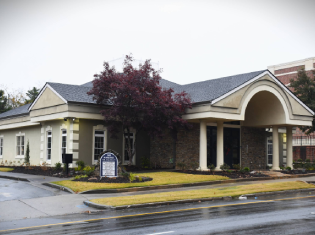
Butler Kahn – Lawrenceville Personal Injury Lawyers
245 W. Crogan Street
Lawrenceville, GA 30046
Phone: (678) 400-6166
Our office is located in downtown Lawrenceville, within walking distance of the Gwinnett County Courthouse at 75 Langley Drive. Free parking is available nearby. We’re happy to meet with you at our office or, if your injuries make travel difficult, we can arrange to meet at your home or hospital.
Talk With a Lawrenceville Catastrophic Injury Lawyer Today
A catastrophic injury changes everything—your health, your ability to work, your relationships, and your family’s future. You deserve a legal team that understands what’s at stake and is willing to fight for full and fair compensation.
Butler Kahn represents people throughout Lawrenceville, Gwinnett County, and Georgia who have suffered catastrophic injuries due to someone else’s negligence. We take fewer cases on purpose so we can give each client the attention and resources their case deserves.
Contact Butler Kahn by calling (678) 400-6166 or contact us online for a free consultation. We charge no fee unless we recover money for you.
Past results do not guarantee future outcomes. Every case is different.
 Contact Us Now






Lawrenceville, GA 30046
Jonesboro, GA 30236