Being injured in a rideshare accident is not like being hurt in a regular car crash. You’re suddenly dealing with a professional driver, a large company like Uber or Lyft, and multiple layers of insurance coverage—all while trying to recover from your injuries. It’s overwhelming, and you deserve someone who knows this area of law and how to hold these corporations accountable. At Butler Kahn, we’ve represented victims across Georgia who found themselves caught in the middle of rideshare disputes, corporate insurance tactics, and unclear answers about coverage. We bring a straightforward, tough-minded approach to every case and treat our clients with the care they need during one of the hardest times in their lives.
In this piece, Butler Kahn explains what every rideshare accident victim should know—how these crashes happen, who may be at fault, what legal rights apply, what kinds of compensation may be available, and how a Lawrenceville rideshare accident lawyer can pursue justice and financial recovery on your behalf.
Common Types of Rideshare Accidents You Might Face
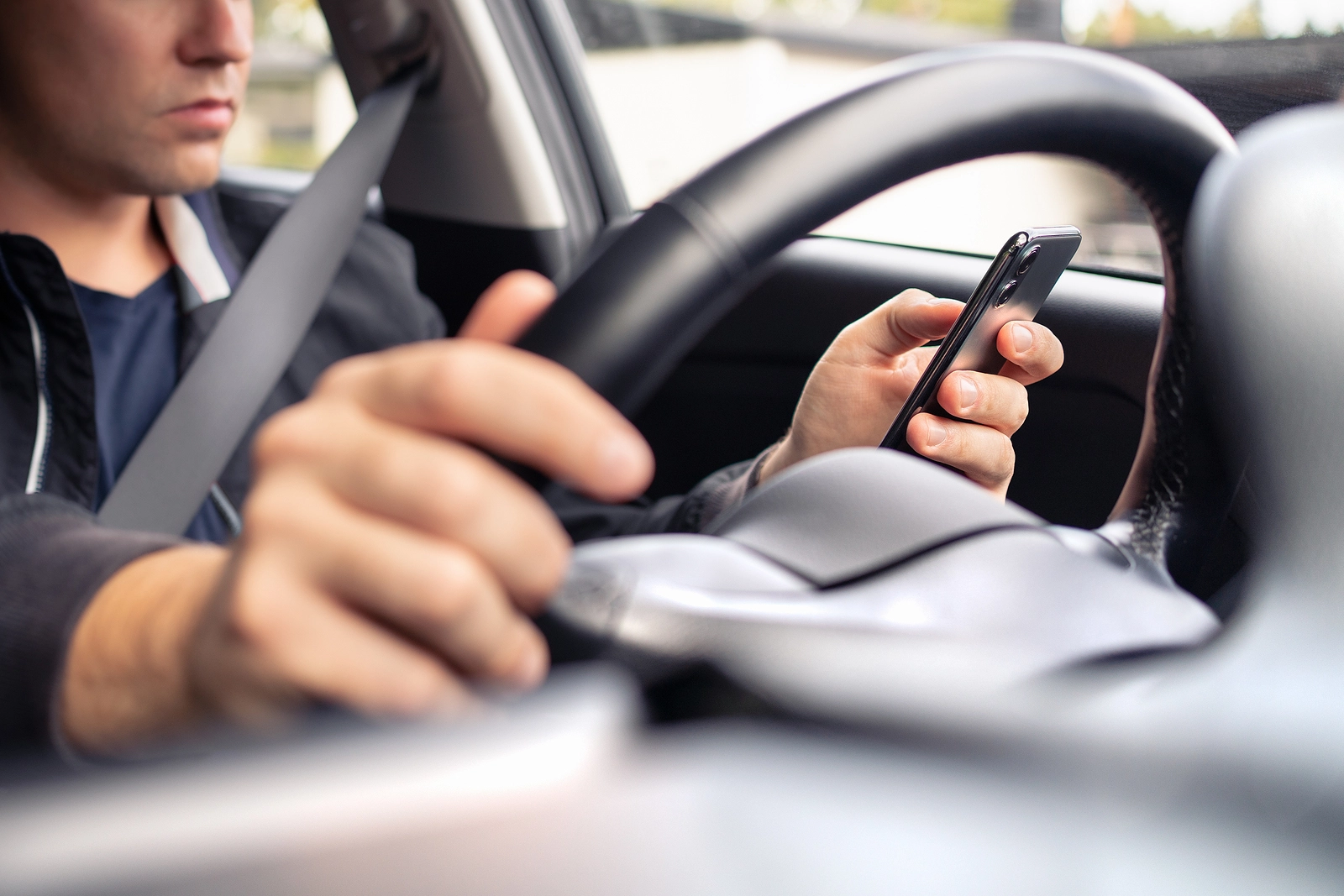
When Your Uber or Lyft Driver Causes a Crash — You might be injured when your driver makes a mistake such as speeding, running a red light, or glancing at their phone instead of the road. These accidents often happen in heavy traffic or at busy intersections around Sugarloaf Parkway or downtown Lawrenceville, where quick turns and sudden stops are common.
When Another Driver Hits Your Rideshare Vehicle — Sometimes the rideshare driver is doing everything right, but another motorist crashes into the car you’re riding in. This can happen when someone runs a light, follows too closely, or fails to yield. Crashes like these are frequent along Scenic Highway, Highway 316, and Lawrenceville Highway, where traffic congestion and lane changes happen quickly.
When You’re a Pedestrian or Bicyclist Hit by a Rideshare Driver — Rideshare drivers often look for passengers in busy areas, which can make pedestrians and cyclists vulnerable. These accidents are more likely near crosswalks, parking lots, and shopping centers like Sugarloaf Mills or downtown Lawrenceville, especially when visibility is low or drivers are distracted.
When a Rideshare Driver Damages Parked Cars or Property — In crowded spaces or residential neighborhoods, rideshare drivers can misjudge distances or turn too sharply, hitting parked vehicles, fences, or mailboxes. Even slow-moving crashes can cause significant damage, and they frequently occur in apartment complexes, shopping centers, or narrow downtown streets.
Accidents During Pickups or Drop-Offs — Many rideshare crashes happen while passengers are getting in or out of vehicles. Drivers may stop suddenly in unsafe spots, double-park, or block lanes near places like Perry Street, Crogan Street, or Northside Hospital Gwinnett. These short moments of distraction or confusion can easily lead to a collision.
Multi-Vehicle Pileups Involving a Rideshare Car — In heavy traffic, one wrong move can set off a chain reaction that involves several cars, including a rideshare vehicle. These pileups are common on major routes such as Sugarloaf Parkway and Highway 316 during rush hours or bad weather.
Hit-and-Run Rideshare Collisions — In some crashes, another driver causes the accident and speeds away before being identified. These incidents can leave rideshare passengers unsure of what happened or who is responsible. They tend to occur more often at night or in areas with limited street lighting.
Common Injuries You Can Suffer in a Rideshare Accident
Whiplash and Soft-Tissue Injuries — The sudden force of a collision can make your head and neck snap back and forth, straining muscles and ligaments. Even at low speeds, this kind of soft-tissue injury can cause lasting pain and stiffness that may take weeks to heal.
Broken Bones and Fractures — The impact of a rideshare crash can throw you against the door, window, or seat in front of you. Broken wrists, arms, ribs, and legs are common, especially if you brace for impact or if airbags deploy with great force.
Head and Brain Injuries — A bump, jolt, or blow to the head can cause a concussion or a more serious traumatic brain injury. Even without visible bruising, dizziness, confusion, or headaches after a crash may signal internal damage that needs immediate medical attention.
Spinal Cord and Back Injuries — The spine absorbs much of the force in a crash. Herniated discs, nerve compression, and spinal fractures can lead to chronic pain, numbness, or even partial paralysis. These injuries often require long-term treatment or physical therapy.
Internal Injuries — A hard hit to the chest or abdomen can damage internal organs without obvious external wounds. Internal bleeding, bruised lungs, or abdominal trauma can be life-threatening and often appear hours after the accident.
Cuts, Bruises, and Scarring — Broken glass or shattered plastic can cause deep cuts or abrasions. While many heal quickly, some leave permanent scars or require stitches and ongoing care to prevent infection.
Emotional and Psychological Trauma — Many victims experience anxiety, sleep problems, or flashbacks after a rideshare crash. The emotional toll can be just as serious as physical injuries and may require counseling or therapy.
Where Rideshare Accidents Often Happen in Lawrenceville
Busy Highways and Main Roads — Many rideshare accidents in Lawrenceville occur on major roads where traffic moves quickly and congestion builds during rush hours. Highways such as Sugarloaf Parkway, Highway 316, and Lawrenceville Highway are common spots for rear-end collisions, side swipes, and sudden lane-change crashes. The mix of commuters, delivery trucks, and rideshare vehicles creates unpredictable conditions that can lead to serious accidents.
Downtown Lawrenceville and the Square — The historic downtown area attracts a steady stream of visitors, especially around Crogan Street and Perry Street. Narrow lanes, frequent stops, and heavy pedestrian traffic make it easy for rideshare drivers to miss hazards. Pickup and drop-off points near the Aurora Theatre or restaurants around the Square often cause vehicles to stop unexpectedly, which increases the risk of fender benders or pedestrian accidents.
Shopping and Entertainment Areas — Locations like Sugarloaf Mills Mall, Exchange at Gwinnett, and nearby restaurant hubs are popular rideshare destinations. These areas often have large parking lots, unclear traffic patterns, and multiple entrances and exits. Crashes here frequently happen when drivers back up, rush to pick up passengers, or misjudge distances in tight spaces.
Residential Neighborhoods and Apartment Complexes — Late-night or early-morning rides can end in neighborhoods where visibility is low and streets are narrow. Rideshare drivers may struggle to locate addresses in large apartment complexes or subdivisions, sometimes leading to collisions with parked vehicles or mailboxes.
Hospital and School Zones — Around Northside Hospital Gwinnett and nearby schools, heavy traffic and constant stops create high accident risks. Pickups in these areas can involve sudden stops, unexpected pedestrian crossings, and limited room to maneuver.
Intersections and Traffic Signals — Intersections throughout Lawrenceville, such as those at Scenic Highway and Pike Street or Sugarloaf Parkway and Old Norcross Road, are frequent crash locations. The combination of turning vehicles, merging lanes, and traffic light changes makes these spots particularly dangerous for rideshare drivers who are multitasking or rushing to meet riders.
Who May Be Responsible After a Rideshare Accident in Georgia
The Rideshare Driver — The driver is often directly involved in a rideshare accident. Mistakes such as distracted driving, following too closely, or failing to yield can lead to collisions that harm passengers, other motorists, or pedestrians. Georgia law outlines many of these basic driving duties, including O.C.G.A. § 40-6-49 (following too closely), O.C.G.A. § 40-6-70 (failure to yield), and O.C.G.A. § 40-6-390 (reckless driving). These provisions help define the standards every driver—including a rideshare driver—must meet while operating a vehicle.
The Rideshare Company (Such as Uber or Lyft) — The rideshare company itself may bear some responsibility depending on how it manages and monitors its drivers. House Bill 339 (2025) amended Article 3, Chapter 1, Title 40 of the Official Code of Georgia Annotated, revising the Georgia Motor Carrier Act. The bill specifically exempts rideshare network services from being treated as “motor carriers” and limits their liability for the actions of their drivers under certain conditions. To qualify for this exemption, companies must complete background checks every two years, comply with registration and insurance requirements, and ensure they are not negligent in supervising their drivers.
House Bill 529 (2025) also made significant changes to insurance coverage for rideshare drivers and passengers. Previously, rideshare companies were required to provide at least $1 million in uninsured or underinsured motorist coverage. Under this new law, coverage was reduced to $100,000 for bodily injury or death to one person, $300,000 per incident, and $25,000 for property damage. This affects the amount passengers can recover if an at-fault driver lacks adequate insurance.
Other Drivers or Motorists — Another common cause of rideshare accidents is the negligence of other drivers on the road. Georgia’s comparative fault rule (O.C.G.A. § 51-12-33) determines how responsibility is divided among all involved parties. This means that if multiple drivers contribute to a crash, each one’s share of fault will affect how damages are awarded.
Vehicle Manufacturers or Maintenance Providers — Sometimes a rideshare accident occurs because of a mechanical issue rather than driver error. Under Georgia’s product liability law (O.C.G.A. § 51-1-11), a manufacturer may be responsible for injuries caused by a defective vehicle or part. Likewise, a repair shop or service provider could share responsibility if the vehicle was improperly maintained or serviced.
Government Entities — Roadway design, missing signs, or poor maintenance can also play a role in rideshare crashes. Georgia’s sovereign immunity law (O.C.G.A. § 36-33-1) outlines how and when cities, counties, or the state can be held accountable for unsafe road conditions. These cases must follow strict notice and filing deadlines under O.C.G.A. § 36-11-1.
Passengers or Pedestrians — In some situations, a passenger or pedestrian may unintentionally contribute to an accident—such as stepping into the road without warning or opening a door into traffic. Georgia law under O.C.G.A. § 40-6-91 requires pedestrians to use crosswalks and obey signals, but even with these rules, every case depends on its specific facts and circumstances.
How a Lawrenceville Rideshare Accident Lawyer Can Help You
Investigating the Crash — A rideshare accident lawyer starts by gathering key evidence—trip data, GPS records, witness statements, and vehicle inspection reports. This helps build a clear picture of what happened and who was involved.
Handling Insurance Claims — Rideshare cases often involve several insurance policies. A lawyer helps navigate the complex coverage layers between Uber or Lyft’s policies and those of individual drivers. After House Bill 529 (2025) lowered coverage limits, it became even more important to have someone who knows how to secure full compensation.
Filing a Lawsuit if Needed — If an insurance settlement isn’t enough, your lawyer can file a lawsuit under Georgia law to pursue additional compensation. This includes preparing legal documents, meeting strict filing deadlines, and representing you in court.
Pursuing Full Damages — Your attorney can seek compensation for medical bills, lost income, pain and suffering, emotional trauma, property damage, and in severe cases, wrongful death. They can also help calculate future medical costs and long-term financial impacts.
Lawrenceville Rideshare Accident Lawyer
When a rideshare trip ends in a crash, the situation can become confusing fast. You may be dealing with painful injuries, unanswered questions about insurance, and drivers or companies pointing fingers at each other. At Butler Kahn, our experienced Lawrenceville rideshare accident attorneys know how difficult these cases can be—because they involve more than just two drivers. They often include complex corporate policies, app data, and state laws that determine who must pay for the harm caused. Our firm is built on standing up for people when powerful companies try to minimize responsibility. We take the time to understand every detail of your case and to make sure your voice is heard. If you’ve been injured in a rideshare collision, contact Butler Kahn by calling (678) 940-1444 or contacting us online for a free consultation.
Frequently Asked Questions
Right after a rideshare accident, call 911, get medical help, document the scene, and collect driver and vehicle details. Report the crash through the rideshare app immediately.
Your medical bills after a rideshare car accident are typically covered by the driver’s insurance, the rideshare company’s policy, or your own health and uninsured motorist coverage.
Yes, Uber’s uninsured or underinsured motorist coverage may apply if another driver caused your rideshare accident and doesn’t have enough insurance to cover your injuries.
Lyft provides limited liability coverage during that period, but the amount is smaller than when a passenger is in the vehicle or during an active trip.
Compensation depends on your injuries, medical costs, lost wages, and emotional distress. Georgia’s rideshare insurance laws under House Bill 529 now cap coverage at $100,000 per person.
Yes, your personal policy might help if rideshare coverage isn’t enough. However, coverage depends on policy terms and whether you were a passenger or a driver.
You can sue Uber or Lyft only under limited circumstances, such as negligent hiring or supervision. Georgia’s House Bill 339 restricts company liability for most driver actions.
A lawyer handles insurance negotiations, gathers evidence, and ensures you get the full value of your rideshare accident claim under Georgia’s complex insurance and liability laws.
My father was in a serious motorcycle accident and unfortunately passed away soon after the accident. Butler Kahn firm in Atlanta was a true blessing
Read More
Samantha S.
Jeb and his team get great results for their clients! The team is hard working, organized, and very thorough. I have referred clients to them and he i
Read More