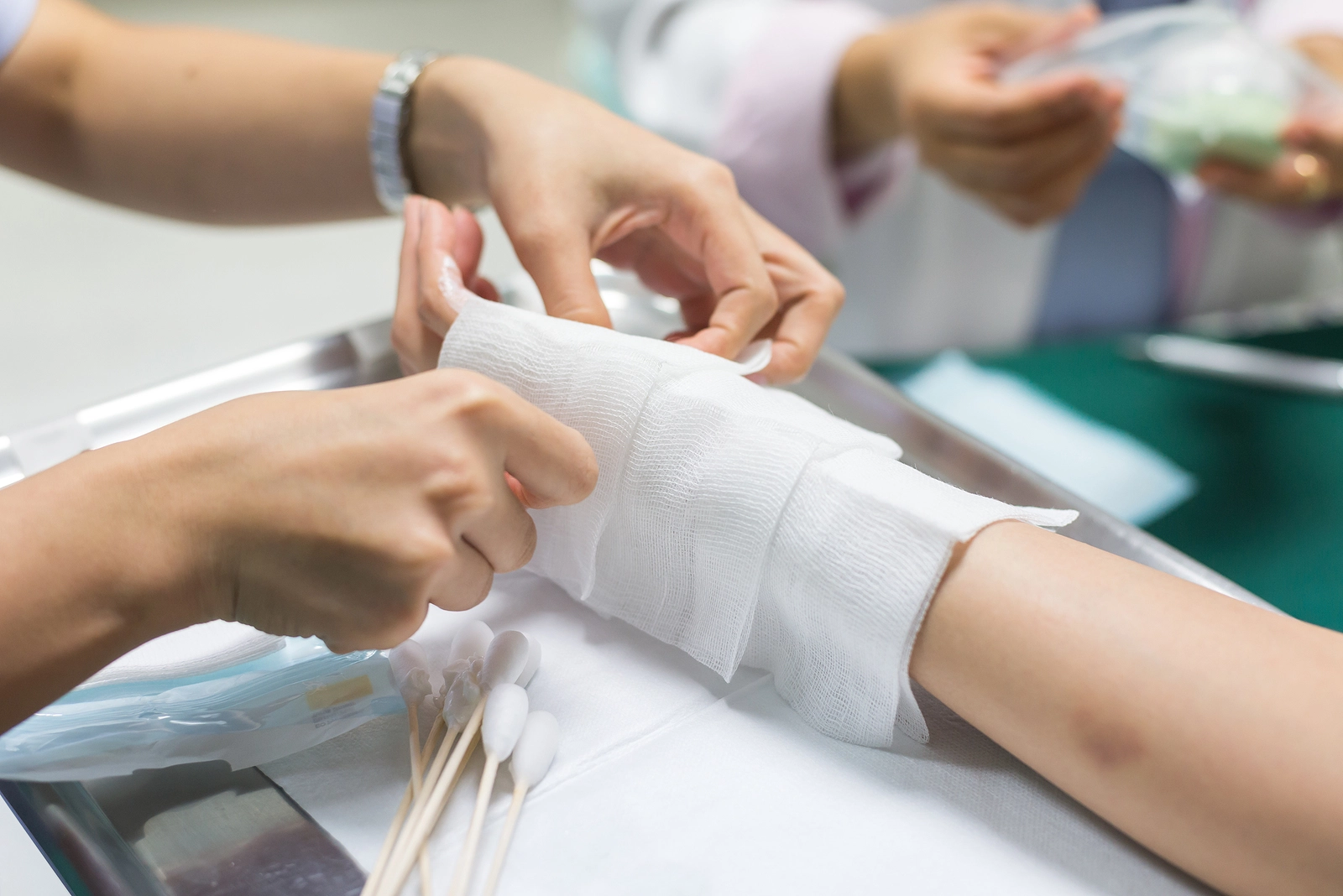
Understanding the Major Types of Burn Injuries
First-Degree Burns — These are the mildest burns you can experience. They harm only the top layer of your skin, called the epidermis. You’ll notice redness, tenderness, and mild pain, similar to a sunburn. The skin may peel as it heals, but scarring is rare. Most first-degree burns heal on their own within a week with simple home care, like cool water and moisturizing ointment.
Second-Degree Burns — These burns go deeper, damaging both the top layer of skin and the layer underneath. You’ll likely see blisters, swelling, and bright redness. The pain can be intense, and healing can take weeks. Because second-degree burns affect deeper tissues, they can leave scars or discoloration if not properly treated. You should seek medical care to prevent infection and manage pain.
Third-Degree Burns — This type of burn is much more serious and destroys the full thickness of the skin. Instead of redness, the skin may look white, black, brown, or leathery. Surprisingly, the pain might not be as strong at first because nerve endings are often damaged. These burns almost always need medical treatment, such as skin grafts, to replace the destroyed tissue. Recovery can be long and often involves rehabilitation and ongoing care.
Fourth-Degree Burns — The most dangerous burns extend beyond the skin into the muscles, tendons, and even bones. These burns can lead to life-threatening complications and often result in permanent loss of the affected area. Immediate emergency care is essential. Doctors may need to perform surgeries, grafts, or even amputations to save your life.
Chemical Burns — When strong acids, alkalis, or other corrosive substances come into contact with your skin, they can continue to cause damage until fully washed away or neutralized. You may feel a burning or stinging sensation that worsens over time. Common sources include industrial cleaners, battery acid, and household drain products. Always rinse the area with running water and seek immediate medical help, since the chemical can keep damaging your tissue even after the first contact.
Electrical Burns — These happen when an electrical current travels through your body. The visible skin injury may look minor, but internal organs, muscles, or nerves could be seriously damaged. Electrical burns often occur at construction sites, workplaces, or from faulty wiring and appliances. It’s vital to get checked by a doctor even if the wound seems small, because hidden injuries can be life-threatening.
Thermal Burns — These are caused by contact with high heat—such as fire, steam, boiling water, or hot metal. You might get them from kitchen accidents, house fires, or car crashes. The damage depends on how hot the surface was and how long it touched your skin. Cooling the area with clean, cool water right away can limit further damage, but severe cases need medical care.
Radiation Burns — Prolonged exposure to radiation, whether from medical treatments or extreme sun exposure, can damage your skin and underlying tissue. The effects often appear gradually, starting with redness and sensitivity before progressing to blistering or peeling. If you’ve undergone radiation therapy and notice new or worsening burns, you should contact your healthcare provider immediately.
Frequent Causes of Burn Injuries
Vehicle Fires And Explosions — Car and truck crashes sometimes lead to fires or explosions, especially if a gas tank ruptures or electrical wiring sparks. You might experience thermal or chemical burns from the heat or leaking fluids. These burns are often severe and require immediate emergency care.
Workplace Accidents — Industrial sites, construction zones, and restaurants are common places where burns occur. Hot machinery, steam, open flames, and chemicals all pose serious risks. Workers handling electrical tools or flammable materials are especially vulnerable.
Defective Products — Sometimes everyday items like kitchen appliances, space heaters, or batteries can overheat or malfunction. When they do, they can cause fires or electrical shocks that lead to burns. If a product lacks safety features or warning labels, the damage can be even worse.
Who May Be Liable for a Burn Injury
Negligent Drivers — When a burn injury happens because of a car, truck, or motorcycle crash, the driver who caused the accident may be legally responsible. Fires or explosions after a collision can lead to devastating burns. Under Georgia’s negligence law (O.C.G.A. § 51-1-2), a driver who fails to act with reasonable care—by speeding, texting, or driving under the influence—can be held liable for the harm that follows, including burn injuries from vehicle fires.
Employers and Jobsite Contractors — If you suffer a burn while on the job, your employer may be required to cover your medical care and lost income through Georgia’s workers’ compensation system. However, when unsafe conditions, poor training, or faulty equipment cause the injury, other companies working at the same site—such as contractors or equipment suppliers—may also be legally responsible. Employers have a duty to provide a safe workspace and to follow workplace safety standards. Failing to meet those duties can create liability under both workers’ compensation and Georgia negligence principles.
Product Manufacturers — Some burns happen because a product was dangerous or defective. In Georgia, manufacturers, distributors, and sellers can be held liable under the state’s product liability law (O.C.G.A. § 51-1-11). This law applies when a product has a design defect, manufacturing defect, or lacks proper warnings. Examples include space heaters that overheat, car parts that ignite, or batteries that explode. You have the right to pursue compensation if a defective product caused your burn injury.
Property Owners and Landlords — Landlords, business owners, and property managers must keep their properties safe for tenants and visitors. Under Georgia’s premises liability law (O.C.G.A. § 51-3-1), a property owner who fails to maintain safe wiring, fix gas leaks, or address fire hazards can be held accountable when those hazards lead to a burn injury. Common examples include apartment fires caused by faulty smoke detectors or restaurants that fail to repair dangerous kitchen equipment.
Utility Companies and Maintenance Contractors — Burn injuries can also occur when electrical or gas systems are poorly maintained. Utility companies or contractors responsible for maintaining power lines, transformers, or gas lines may be liable if their negligence causes an explosion or fire. In such cases, investigators often look closely at inspection records, maintenance reports, and safety practices to determine fault.
The Role of a Burn Injury Lawyer in Roswell
A burn injury lawyer in Roswell helps you navigate the legal process after a serious injury. They investigate the cause, handle insurance claims, and pursue compensation for your medical costs, lost wages, and pain. Burn injury cases often involve complex medical evidence and high emotional stakes, so having an experienced lawyer ensures that your rights are protected and that every responsible party is held accountable under Georgia law.
Roswell Burn Injury Lawyer
A serious burn injury is one of the most painful and life-altering experiences a person can face. The physical damage is often severe, but the emotional and financial consequences can be just as lasting. Victims often need extensive medical treatment—skin grafts, rehabilitation, and long-term care—and the costs can quickly become overwhelming. When a burn is caused by someone’s carelessness, that person or company should be held accountable. At Butler Kahn, our experienced burn injury attorneys understand the unique challenges of these cases and the toll they take on victims and families. We take on powerful defendants and insurance companies with determination and skill, building cases that are backed by evidence and grounded in compassion. If you’ve suffered a burn injury in Roswell or anywhere in Georgia, contact Butler Kahn by calling (678) 940-1444 or reaching out online for a free consultation. You’ll speak directly with an attorney who understands what you’re going through and who will take the time to discuss your legal rights and next steps.
Frequently Asked Questions About Burn Injuries