Entrusting a nursing home or long-term care facility with the life and wellbeing of a beloved elder is a major decision for you, your loved one, and your family. When making this decision, we expect that our loved one will be properly cared for as though we were doing so ourselves. Unfortunately, many of these facilities are understaffed, employ unscrupulous or poorly trained workers, or simply put profits over the well-being of their residents. As a result, residents at these facilities may be at risk of neglect or deliberate abuse. If you think your loved one is being abused or neglected at a nursing home facility in Georgia, the attorneys at Butler Kahn are ready to help you fight for the accountability you and your family deserve. Call us today to learn about your options in a free, no-obligation consultation.
When a nursing home or assisted living facility in Roswell fails to protect residents from abuse or neglect, families have the legal right to hold them accountable. Butler Kahn represents families throughout North Fulton County whose loved ones have suffered physical abuse, emotional mistreatment, neglect, or financial exploitation in elder care facilities. Our Georgia nursing home abuse lawyers investigate these cases thoroughly, identify all responsible parties, and fight to recover full compensation for the harm caused.
What’s on this page
Nursing Home Statistics
According to the Centers for Disease Control and Prevention (CDC), there were approximately 15,600 nursing home facilities in the United States in 2016. Of these, 69.3 percent were operated for profit. As of 2015, there were 1.3 million people living in nursing homes across the country. The CDC further reports that there were about 28,900 residential care communities housing 918,730 residents nationwide as of 2018. Approximately 78 percent of these were operated for profit. In addition, data compiled for 2015-2016 shows that there were 4,600 adult day-service centers, 12,200 home health agencies, and 4,300 hospices operating in the country. The majority of these were also operated for profit.
In Georgia, the profit-driven nature of many elder care facilities can contribute to understaffing, inadequate training, and corners being cut on resident care. When facilities prioritize their bottom line over resident safety, the risk of abuse and neglect increases significantly. Families in Roswell and throughout North Fulton County should understand these industry dynamics when evaluating care options for their loved ones.
Different Kinds of Nursing Home Abuse
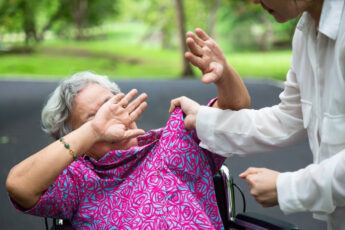
Nursing home abuse can take many forms. The Georgia statute protecting elders and disabled adults from mistreatment defines abuse as “the willful infliction of physical pain, physical injury, sexual abuse, mental anguish, unreasonable confinement, or the willful deprivation of essential services.” Financial exploitation is another kind of deliberate abuse. The same statute defines exploitation as “the illegal or improper use of a disabled adult or elder person or that person’s resources through undue influence, coercion, harassment, duress, deception, false representation, false pretense, or other similar means for another’s profit or advantage.” Finally, neglect is yet another common form of abuse in nursing homes and other assisted living environments. Unlike active forms of abuse, neglect occurs when staff members simply fail to uphold an adequate standard of care, causing the resident to suffer. Examples include leaving a resident with mobility issues to fend for themselves for hours at a time, failing to provide residents with sufficient food and water, and failing to appropriately treat a resident’s injuries.
Physical abuse in nursing homes frequently causes traumatic brain injuries, broken bones, and other serious harm that can prove fatal for elderly residents. Our attorneys understand how to document these injuries and connect them to facility negligence or intentional misconduct.
Potential Signs of Nursing Home Abuse and Neglect
It can be challenging for family members to detect when their loved one is being neglected or abused in a nursing home, particularly if the victim is not able to effectively report or otherwise communicate the mistreatment. Therefore, it is important that family members stay vigilant, including by familiarizing themselves with common signs of elder abuse and neglect. These include:
Understaffed or poorly maintained facilities
Reluctance to speak in front of staff members
Physical injuries, such as bruising and bedsores
Malnourishment and dehydration
Medication dosage errors
Emotional or social withdrawal
Unexplained weight gain or loss
Dirty sheets and clothing
Unexplained bank account withdrawals
Changes to the resident’s will
Nursing home abuse and neglect can lead to a wide variety of physical and psychological suffering. By maintaining regular contact and keeping a watchful eye during visits, families can more easily detect signs of mistreatment and take action to protect their loved one. If abuse results in a death, families may be able to pursue a wrongful death claim against the responsible parties.
Can I Sue a Nursing Home for Abuse and Neglect?
Absolutely. Nursing homes and assisted living facilities have a responsibility to provide a minimum standard of care to every resident. This includes evaluating the specific needs of each resident and establishing a plan to ensure they receive the care they require. If your loved one was abused or neglected in a long-term care facility, the facility has failed to uphold its responsibility, and you have a legal right to sue. Through a personal injury lawsuit, you can seek compensation for medical bills resulting from abuse, reimbursement for damaged or stolen property, and other financial losses. You may also seek compensation for physical pain and suffering, emotional distress, and other intangible losses your loved one suffered due to abuse.
Georgia law allows victims to recover both economic and non-economic damages in nursing home abuse cases. Economic damages cover quantifiable losses like medical expenses and the cost of relocating to a safer facility. Non-economic damages compensate for pain, suffering, and the diminished quality of life caused by the abuse. In cases involving particularly egregious conduct, punitive damages may also be available to punish the wrongdoer and deter similar behavior in the future.
State and Federal Laws Against Elder Abuse
There are many state and federal laws meant to guard against and punish elder abuse. One example is Georgia’s Bill of Rights for Residents of Long-term Care Facilities. Among other things, this law requires that residents be informed of their rights and how to report a grievance. Federal law similarly provides that each resident “has a right to a dignified existence, self-determination, and communication with and access to persons and services inside and outside the facility.” Elder abuse is also punishable under state and federal criminal laws. For instance, in Georgia, knowingly and willfully exploiting, abusing, or unreasonably confining an elder is a felony punishable by up to 20 years behind bars and up to $50,000 in fines. Further, anyone who has an obligation to report elder abuse may also be charged with a crime if they knowingly and willfully fail to inform appropriate authorities.
What To Do If I Suspect Abuse in a Roswell Nursing Home
If you believe that your loved one is being subjected to abuse or neglect in a nursing home or long-term care facility, you should report the suspected mistreatment right away. There are numerous places you can report elder abuse, starting with the police if you believe your loved one is in immediate danger due to physical or sexual abuse and in need of protection. You can also report elder abuse to:
Adult Protective Services by calling (866) 552-4464 (press “3”) or by visiting the agency website.
State of Georgia Department of Community Health by calling (800) 878-6442 or visiting the agency website.
Georgia State Long-Term Care Ombudsman by calling (866) 552-4464 and (press “5”) or visiting the agency website.
After ensuring your loved one’s immediate safety, consider consulting with an experienced Georgia personal injury lawyer who can help preserve evidence and protect your family’s legal rights.
Who Can Be Held Liable for Nursing Home Abuse?
Multiple parties may bear responsibility when a nursing home resident suffers abuse or neglect in Roswell or elsewhere in Georgia. Identifying all potentially liable parties is critical to maximizing the compensation available to victims and their families. Potentially responsible parties include:
The nursing home facility itself, which has a duty to provide adequate care and maintain a safe environment
The corporate owner or management company that sets staffing levels, budgets, and operational policies
Individual staff members who directly committed acts of abuse or failed to report known abuse
Administrators and supervisors who knew or should have known about unsafe conditions
Third-party contractors providing services such as medical care, food service, or security
Medical professionals who committed malpractice in their treatment of residents
Our attorneys conduct thorough investigations to identify every party whose negligence or intentional misconduct contributed to your loved one’s suffering. This approach ensures that victims receive full compensation and that responsible parties are held accountable.
Common Causes of Nursing Home Abuse in Roswell
Understanding what leads to nursing home abuse can help families recognize warning signs and make informed decisions about their loved one’s care. Common contributing factors include:
Chronic understaffing that leaves residents without adequate supervision or care
Inadequate background checks that allow individuals with histories of abuse to work with vulnerable populations
Insufficient training on proper care techniques, de-escalation, and abuse prevention
Poor management and supervision of staff members
Failure to properly screen and monitor visitors
Lack of accountability systems and reporting mechanisms
Prioritizing profits over resident care and safety
Failure to provide appropriate care for residents with dementia or other cognitive impairments
When facilities cut corners on staffing, training, or safety protocols, residents pay the price. These systemic failures can form the basis of a negligence claim against the facility and its operators.
Types of Compensation in Nursing Home Abuse Cases
Families pursuing nursing home abuse claims in Georgia may be entitled to recover compensation for a wide range of losses. The specific damages available depend on the circumstances of each case, but may include:
Medical expenses for treating injuries caused by abuse, including hospitalization, surgery, medications, and ongoing care
Costs of relocating to a safer facility
Physical pain and suffering
Emotional distress, anxiety, and psychological trauma
Loss of enjoyment of life
Reimbursement for stolen or damaged personal property
Punitive damages in cases involving particularly egregious conduct
Wrongful death damages if the abuse resulted in the resident’s death
Georgia’s two-year statute of limitations generally applies to nursing home abuse claims, though certain circumstances may extend or shorten this deadline. Consulting with an attorney promptly helps ensure your family’s rights are protected.
Frequently Asked Questions About Nursing Home Abuse in Roswell
How do I know if my loved one is being abused in a nursing home?
Warning signs include unexplained injuries like bruises or bedsores, sudden behavioral changes, reluctance to speak around staff, unexplained weight loss, poor hygiene, and unusual financial transactions. Frequent visits at varying times can help you observe conditions and your loved one’s wellbeing.
Can I sue a nursing home if my family member died due to neglect?
Yes. Georgia law allows surviving family members to file a wrongful death lawsuit when a nursing home’s abuse or neglect causes a resident’s death. These claims can recover funeral expenses, medical bills, lost companionship, and other damages.
What is the difference between nursing home abuse and neglect?
Abuse involves intentional harmful acts such as hitting, sexual assault, emotional cruelty, or financial exploitation. Neglect occurs when staff fail to provide necessary care, resulting in harm through omission rather than direct action. Both can form the basis of legal claims.
How long do I have to file a nursing home abuse lawsuit in Georgia?
Georgia generally imposes a two-year statute of limitations for personal injury claims, including nursing home abuse. However, specific circumstances may affect this timeline. Contact an attorney as soon as you suspect abuse to preserve your legal rights.
What evidence is needed to prove nursing home abuse?
Useful evidence includes medical records documenting injuries, photographs of injuries or unsanitary conditions, witness statements, facility inspection reports, staffing records, and financial documents showing exploitation. An experienced attorney can help gather and preserve this evidence.
Can I file a complaint against a nursing home anonymously?
Yes. You can report suspected abuse to Georgia Adult Protective Services or the Long-Term Care Ombudsman anonymously. However, providing contact information allows investigators to follow up and gather additional details that may strengthen the case.
Will my loved one have to move if I report abuse?
Not necessarily. Reporting abuse is intended to improve conditions and protect residents. However, if the facility cannot ensure your loved one’s safety, relocation may be necessary. Your loved one’s safety should always be the top priority.
How much does it cost to hire a nursing home abuse lawyer?
Butler Kahn handles nursing home abuse cases on a contingency fee basis, meaning you pay no attorney fees unless we recover compensation for your family. This arrangement allows families to pursue justice without upfront legal costs.
What if the nursing home makes me sign an arbitration agreement?
Many nursing homes include arbitration clauses in their admission contracts. While these agreements may limit your options, they are not always enforceable. An attorney can review any agreements you signed and advise you on your legal options.
Can nursing home staff be held personally liable for abuse?
Yes. Individual staff members who commit acts of abuse can be held personally liable in civil court and may also face criminal charges. However, the facility and its corporate owners typically have greater financial resources to compensate victims.
What should I do if I witness abuse in a nursing home?
Document what you observed, including dates, times, and details. Report the abuse to facility management, Adult Protective Services, and law enforcement if appropriate. Consult with an attorney to understand your options for protecting the victim.
Are there caps on damages in Georgia nursing home abuse cases?
Georgia does not impose caps on compensatory damages in most nursing home abuse cases. However, punitive damages may be subject to certain limitations depending on the circumstances. An attorney can explain how damage caps might affect your specific case.
How do I choose a safe nursing home for my loved one?
Research facilities thoroughly by reviewing inspection reports, staffing ratios, and complaint histories. Visit unannounced at different times, speak with current residents and families, and trust your instincts. The Georgia Department of Community Health maintains records on licensed facilities.
Can I sue a nursing home for bedsores?
Yes. Bedsores (pressure ulcers) often indicate neglect, as they typically result from failure to reposition immobile residents, provide proper nutrition, or maintain hygiene. Severe bedsores can cause serious infections and may be grounds for a negligence claim.
What happens after I file a nursing home abuse lawsuit?
After filing, the case enters the discovery phase where both sides gather evidence. Many cases settle through negotiation, but Butler Kahn prepares every case as if it will go to trial. Our attorneys keep clients informed throughout the process and fight for maximum compensation.
Nursing Home Abuse Service Areas Near Roswell
Butler Kahn’s Roswell office represents families in nursing home abuse cases throughout North Fulton County and the surrounding areas. Our attorneys serve clients in:
Roswell and Historic Roswell
Alpharetta
Johns Creek
Milton
Mountain Park
Sandy Springs
Dunwoody
East Cobb
Marietta
Woodstock
Canton
Cumming
Duluth
Suwanee
We also handle nursing home abuse cases at our offices in Atlanta, Lawrenceville, and Jonesboro. If your loved one suffered abuse at a facility anywhere in Georgia, contact us for a free consultation.
Our Roswell Office
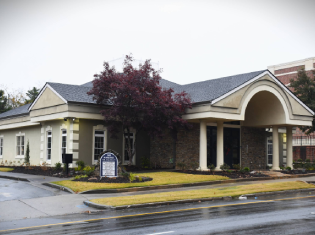
Butler Kahn – Roswell Personal Injury Lawyers
1255 Canton St, Unit E
Roswell, GA 30075
Phone: (770) 766-1056
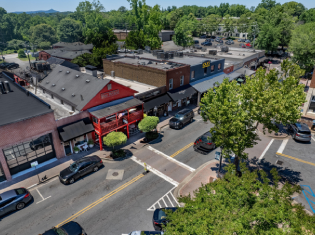
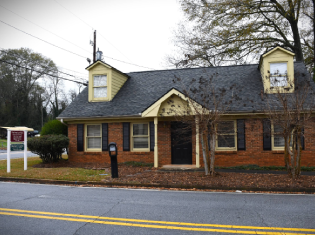
Our Roswell office is located on Canton Street in historic downtown Roswell, near the Roswell Town Center and Big Creek Greenway. We offer free parking and are accessible from GA 400, Holcomb Bridge Road, and Alpharetta Highway. We serve clients throughout North Fulton County, Cherokee County, and Forsyth County.
Consult With a Nursing Home Abuse Attorney Today
If you suspect that your family member is being abused or neglected at their elder care facility, do not wait to investigate and seek help. At Butler Kahn, our knowledgeable, compassionate elder abuse attorneys are ready to evaluate your case and make sure you know your rights and options. We take fewer cases on purpose so we can give each family the attention they deserve, and we prepare every case as if it’s going to trial.
Contact Butler Kahn by calling (770) 766-1056 or contacting us online for a free, no-obligation consultation. There is no fee unless we recover compensation for your family.
My father was in a serious motorcycle accident and unfortunately passed away soon after the accident. Butler Kahn firm in Atlanta was a true blessing
Read More
Samantha S.
Jeb and his team get great results for their clients! The team is hard working, organized, and very thorough. I have referred clients to them and he i
Read More